
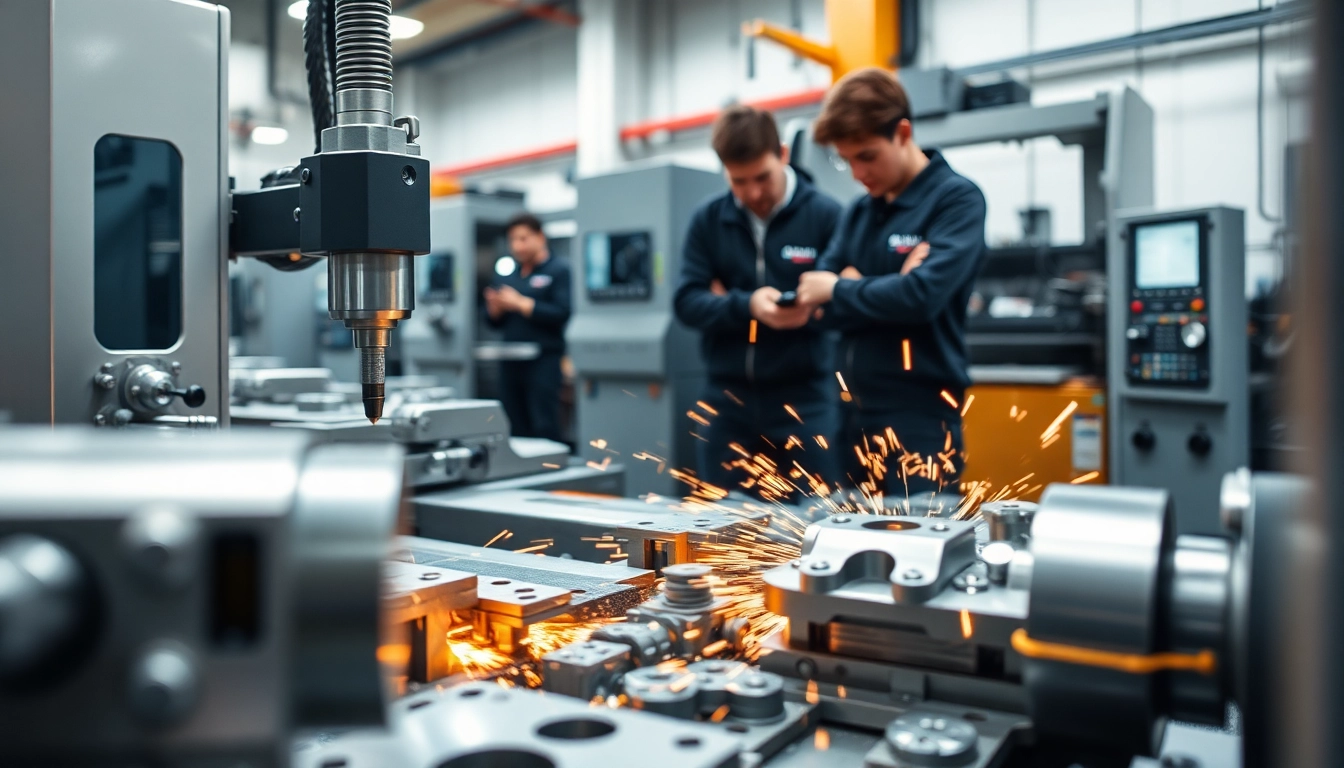
Understanding Chiheng Custom CNC Machining
What is CNC Machining?
CNC (Computer Numerical Control) machining is a sophisticated manufacturing process that utilizes computer-controlled machines to produce precise parts from various materials. It’s an efficient and accurate method that allows for the automation of machining processes. CNC machines convert a computer-aided design (CAD) into physical parts by reading coded inputs. This technology is essential in modern manufacturing, enabling high-volume production while maintaining tight tolerances, such as ±0.005mm, a hallmark of services like Chiheng Custom CNC Machining.
Benefits of Custom CNC Machining
Custom CNC machining offers numerous advantages. It allows companies to tailor products to their specific needs, facilitating unique designs and precision that fits exact specifications. This flexibility can significantly reduce material waste through optimized cutting techniques. Moreover, CNC machining provides consistent quality and repeatability, crucial for industries demanding high precision, such as aerospace and biomedical applications. Other benefits include:
- Speed: Rapid production turnaround compared to traditional methods.
- Complexity: Capable of creating intricate designs and geometries.
- Material Versatility: Works with metals, plastics, and composite materials.
- Cost-Effectiveness: Reduces labor costs due to automation while minimizing wastage.
- Quality Assurance: High standards maintained through advanced quality control measures.
Types of CNC Machines Used
Within the realm of CNC machining, various types of machines are utilized, each tailored for specific tasks:
- CNC Mills: Utilized for cutting and shaping materials in three dimensions.
- CNC Lathes: Designed for rotational tasks, ideal for cylindrical parts.
- CNC Routers: Optimal for large sheets of materials like wood or metal.
- CNC Plasma Cutters: Used for cutting metals using high-temperature plasma.
- CNC EDM (Electrical Discharge Machining): Best for precise cuts on harder materials.
The CNC Machining Process
Step-by-Step Overview
The CNC machining process begins with the design phase, where a CAD model is created. This design is then converted into G-code, the standardized programming language used by CNC machines. The CNC machine is programmed to interpret the G-code, generally divided into the following steps:
- Design Creation: Developing a precise CAD model based on specifications.
- G-Code Generation: Converting CAD files into machine-readable code.
- Setup: Loading the material and calibrating the machine settings.
- Machining: The actual process wherein the CNC machine executes the programmed commands to cut, mill, or shape the material.
- Finishing: Any post-processing, such as sanding, grinding, or surface treatment.
- Quality Inspection: Checking for accuracy and meeting specifications.
Materials Utilized in CNC Machining
CNC machining supports a wide array of materials to cater to various applications. Commonly used materials include:
- Metals: Aluminum, stainless steel, brass, and titanium are frequently machined due to their durability and strength.
- Plastics: Acrylonitrile butadiene styrene (ABS), polycarbonate, and nylon, chosen for their lightweight and versatile properties.
- Composites: Compound materials such as carbon fiber and fiberglass where strength-to-weight ratios are critical.
Each material presents unique challenges and benefits, dictating the machining tooling and processes applied.
Quality Control Measures
Quality assurance is paramount in CNC machining. Effective quality control measures ensure that each part produced meets the required specifications. Some of these include:
- Dimensional Inspection: Using tools like calipers and micrometers to measure critical dimensions.
- Material Testing: Verifying material properties to ensure they meet the specified standards.
- Process Monitoring: Continuously monitoring machine operations during production.
- Statistical Process Control (SPC): Techniques for improving and controlling quality through data collection and analysis.
Applications of Chiheng Custom CNC Machining
Industries That Benefit
CNC machining serves a multitude of industries, each with specific requirements:
- Aerospace: Components that require robust strength and light weight.
- Automotive: Precision parts that ensure safety and efficiency.
- Medical: Custom surgical tools and devices with biocompatible materials.
- Electronics: Housing and components requiring high precision and intricate designs.
- Manufacturing: General parts and tools that enhance other manufacturing processes.
Case Studies of Successful Projects
Success stories showcase the capabilities of CNC machining in delivering custom solutions:
- High-Performance Racing Components: A project focused on developing lightweight yet sturdy components for custom racing cars involved rigorous material testing and precision machining to achieve optimal performance under extreme conditions.
- Medical Device Prototyping: A complicated surgical device was designed and manufactured to tight tolerances, allowing for testing and refinement based on real-world feedback before full-scale production.
- Aerospace Component Manufacturing: Parts manufactured for aircraft assembly underwent advanced quality control measures, ensuring they met strict safety standards.
Innovative Product Development
Innovation thrives in the CNC machining sector, with new technologies and materials constantly being explored. Custom CNC machining enables companies to rapidly prototype and iterate designs, facilitating the development of unique products that cater to emerging market needs or consumer demands. By eliminating the barriers of traditional manufacturing, CNC machining supports creative production and fosters advancements across industries.
Choosing the Right CNC Machining Partner
Key Factors to Consider
Selecting the right CNC machining partner is critical to project success. Key factors to evaluate include:
- Expertise: Assessing the technical knowledge of the machining company and the team.
- Capabilities: Confirming their ability to handle your specific material and complexity needs.
- Technology: Understanding the technology and machinery available for production.
- Communication: The ability to effectively communicate throughout the project lifecycle.
- Reputation: Check client testimonials and case histories to gauge reliability and quality.
Evaluating Technical Expertise
When assessing a CNC machining partner’s technical expertise, consider their experience in similar projects, the qualifications of their technicians, and their process for continual improvement. A strong engineering team often translates to better designs and fewer complications during manufacturing.
Understanding Pricing Structures
Pricing can vary significantly among CNC machining services. Understanding the pricing structure is essential to avoid unexpected costs. Factors influencing cost include:
- Material Type: More expensive materials lead to higher costs.
- Complexity of Design: Intricate designs require more time and advanced machinery.
- Volume of Production: Bulk orders generally reduce per-item costs.
- Finishing Processes: Additional post-processing adds to overall prices.
Always request detailed quotes and clarify the factors involved in pricing adjustments.
Future Trends in CNC Machining
Technological Advancements
The field of CNC machining is evolving rapidly with advancements in technology. Trends to watch include:
- Internet of Things (IoT): Enhanced connectivity between machines creates smarter manufacturing systems.
- Artificial Intelligence: AI enhances predictive maintenance and improves the efficiency of machining processes.
- Additive Manufacturing Integration: Combining CNC machining with 3D printing for comprehensive manufacturing solutions.
Eco-Friendly Practices
Sustainability is becoming increasingly relevant in manufacturing. CNC machining companies are adopting eco-friendly practices, such as:
- Material Recycling: Finding ways to recycle scrap materials.
- Energy Efficiency: Investing in energy-efficient machines and practices.
- Environmentally Friendly Machining Fluids: Using biodegradable and less toxic alternatives.
These efforts not only reduce environmental impact but also enhance the company’s marketability.
Market Demand and Growth Projections
As industries continue to innovate and seek customization, the demand for CNC machining is on the rise. Growth projections indicate a robust expansion of the CNC machining market, driven by an increase in automation and the need for precise manufacturing. Manufacturers are continuously looking for ways to improve efficiency and quality, positioning CNC machining as a crucial element in their supply chains.
Frequently Asked Questions
What is the typical turnaround time for CNC machined parts?
The turnaround time varies based on complexity and volume, typically ranging from a few days for prototypes to several weeks for bulk orders.
How do I request a quote for custom CNC machining?
To request a quote, submit your design specifications through our website, and we will provide an estimate based on materials and complexity.
Can you work with various materials for CNC machining?
Yes, we support a wide range of materials including metals, plastics, and composites tailored to specific needs and applications.
What precision can I expect from Chiheng custom CNC machining?
We typically achieve precision tolerances as tight as ±0.005 mm, ensuring high-quality standards for custom parts.
Are your CNC machining processes ISO certified?
Yes, our processes adhere to stringent ISO certifications to guarantee quality and consistency in our machining services.
About the Author