
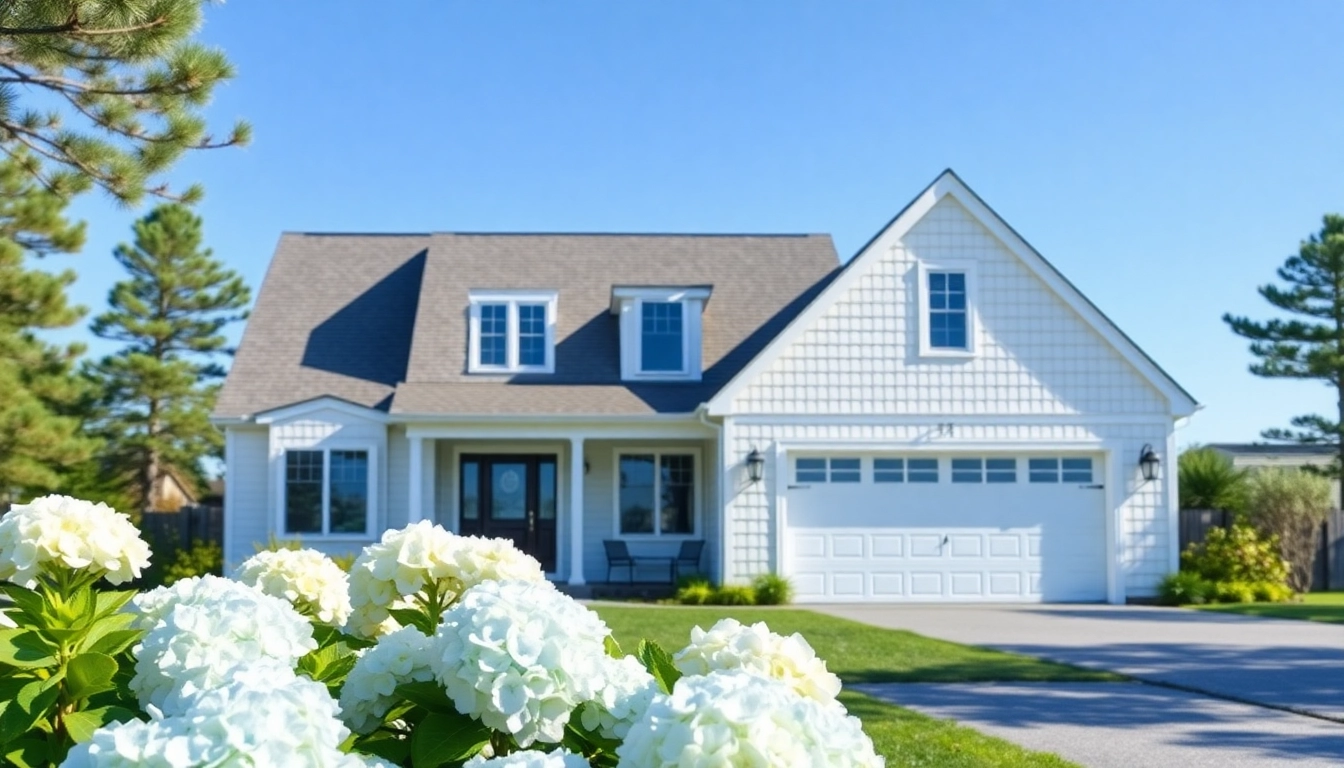
Design Principles for a Cape Cod Home
Creating a cape cod home is more than just physical construction; it’s about embodying an aesthetic steeped in history and practicality. This architectural style captures the essence of rugged New England charm, perfect for coastal living. Understanding the design principles that define this style is crucial for any homeowner or builder looking to create or expand upon their Cape Cod abode.
Understanding the Cape Cod Aesthetic
The Cape Cod aesthetic is characterized by its simplicity and directness. Traditionally, these homes feature steeply pitched roofs, symmetrical facades, and dormer windows, giving them a quaint yet functional look that has withstood the test of time. The exterior is typically clad in wood shingles, painted in muted colors that reflect the coastal environment.
Natural light is an essential component; therefore, large windows are a common feature. Inside, you’ll find open floor plans that allow for a seamless flow between spaces which is both practical and conducive to family life. Characteristic furnishings often include built-in bookcases and simple, authentic decor that speaks to the home’s roots.
Integrating Modern Features
While the traditional Cape Cod home is charming on its own, integrating modern features can significantly enhance livability and energy efficiency. Open-concept layouts, while not typical of older designs, can be worked into renovated spaces to create more inviting environments. Consider large glass doors that lead to outdoor spaces, allowing natural light to flood the interiors, while also offering fantastic views of the surrounding landscape.
Technological advancements should not be overlooked either. Incorporating smart home technology can elevate a Cape Cod home’s functionality. From smart thermostats to integrated sound systems, these modern features harmonize beautifully with traditional designs, enriching the living experience.
Choosing the Right Color Palette
The color palette is pivotal in expressing the authentic charm of a Cape Cod home. Typically, homeowners opt for soft pastels, earthy tones, and whites to reflect the natural surroundings. Blue and gray are prevalent, reminiscent of the coastal skies and sea, offering a serene backdrop that complements the architecture.
When selecting colors, take into account the home’s setting and surroundings. A muted green may work beautifully amidst greenery, while crisp whites can provide a stunning contrast against coastal views. It’s vital to strike a balance; too bright a color can undermine the home’s traditional aesthetics.
Benefits of Home Expansion
Expanding a home is often more than just adding space; it can be an investment in future comfort and property value. Below are several compelling benefits associated with expanding a cape cod home.
Increased Living Space
One of the most obvious benefits of a home expansion is the added living space. Whether it is an additional bedroom, a new bathroom, or an enlarged kitchen, more square footage can cater to a growing family or an increase in guests. In a Cape Cod home, where many spaces are somewhat compact, additions can transform the layout, making it more functional and enjoyable.
Improved Property Value
Home expansions often lead to a positive impact on property value. Potential buyers are usually drawn to homes that offer generous square footage, especially in sought-after Cape Cod neighborhoods. By investing in a well-thought-out expansion, you can ensure that the resale value outpaces your investment in renovations, making it a wise financial decision.
Design Flexibility
When considering an expansion, homeowners gain flexibility in design. This can be the perfect opportunity to modernize aspects of the home while preserving its historical integrity. Perhaps an open-concept design could be achieved with a new sunroom or a wider kitchen space that integrates contemporary elements with traditional charm. The possibilities are virtually endless!
Incorporating an Attached Garage
Adding an attached garage to a Cape Cod home can provide practical benefits while complementing the overall aesthetic. Here’s how you can incorporate this feature effectively.
Style Considerations for Your Garage
In designing an attached garage, it’s essential to consider how it will fit with the existing architecture of the home. A well-designed garage should be cohesive with the overall look. This could mean matching the shingle style, the pitch of the roof, and even the color scheme. Design choices such as windows on the garage mirrored to those on the main house can enhance visual unity.
Materials and Construction Options
The materials chosen for the garage should parallel or harmonize with those used on the main house. Natural wood or durable vinyl siding can be excellent choices for creating a seamless effect. Opt for energy-efficient materials that not only offer durability but also contribute to the insulation of the entire structure, helping to keep both the garage and home energy-efficient.
Storage Solutions in Your Garage
Lastly, consider how your garage can be transformed from mere storage to a functional space. Incorporating clever storage solutions like shelving, cabinets, and ceiling racks can help keep the area organized. This is particularly important in a Cape Cod home, where maximizing both space and utility can make a significant difference in daily life.
Sustainable Practices in Home Renovations
As awareness of environmental issues grows, so too does the importance of sustainable practices in home renovations. This is certainly true for Cape Cod homes, which can benefit greatly from environmentally friendly approaches.
Energy Efficiency Solutions
Incorporating energy-efficient technology can drastically reduce utility costs while conserving resources. High-efficiency HVAC systems, solar panels, and proper insulation are all practical considerations that can drastically improve energy efficiency. Consider strategic placement of windows for optimal natural light, reducing reliance on artificial lighting.
Environmentally Friendly Materials
When it comes to renovations, using sustainable materials can greatly reduce your environmental impact. Look for reclaimed wood for flooring and siding, bamboo for cabinetry, or low-VOC paints to improve indoor air quality. These choices not only benefit the environment but can also introduce unique character to your Cape Cod home.
Eco-Friendly Landscaping
The outdoor space associated with a Cape Cod home is just as important as the interior. Sustainable landscaping can enhance the home’s appeal while promoting local biodiversity. Native plant species and rain gardens can help preserve water resources and provide food and shelter for local wildlife. Additionally, integrating permeable patios and thoughtful drainage solutions can manage stormwater runoff effectively.
FAQs about Cape Cod Home Designs
What is the typical design of a Cape Cod home?
A Cape Cod home is characterized by steep roofs, symmetrical facades, dormer windows, and a cozy yet functional design.
How can I increase space in my Cape Cod home?
You can expand by adding an attic conversion, extending the living room, or building an attached garage for extra storage.
What materials are recommended for Cape Cod renovations?
Use natural wood, shingles, and energy-efficient windows to maintain authenticity and improve insulation in your Cape Cod home.
What are modern features that suit Cape Cod homes?
Modern features include open floor plans, large windows for natural light, and eco-friendly appliances that blend seamlessly with traditional designs.
How does a garage impact a Cape Cod home’s value?
An attached garage can significantly increase your property value by providing practicality and enhancing curb appeal.
About the Author