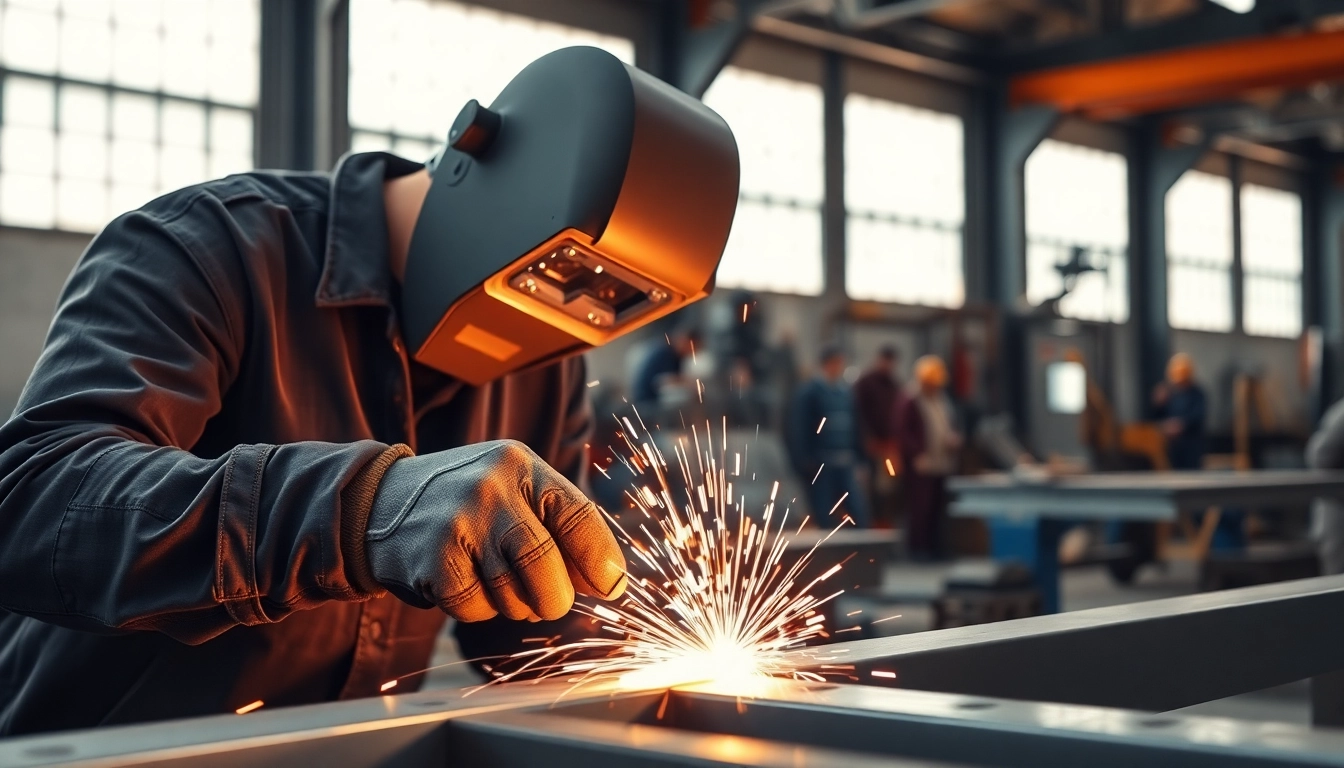
Understanding Structural Steel Welding
What is Structural Steel Welding?
Structural steel welding is a critical process used in the fabrication and construction of structural steel components. It involves the joining of metal sections through the application of heat, fusion and/or pressure. The result is a strong, durable, and efficient bond essential for creating frameworks, buildings, bridges, and various other infrastructure projects. Proper execution of structural steel welding ensures that critical load-bearing components maintain their integrity and performance over time. With advancements in technology, the methods and materials for welding continuously evolve, providing new opportunities for enhanced strength and durability in engineering projects. For businesses involved in these structural processes, understanding structural steel welding can be a game changer.
Common Applications of Structural Steel Welding
The applications of structural steel welding are extensive and diverse, spanning multiple industries. Some common applications include:
- Building Construction: Structural steel welding is pivotal in constructing commercial buildings, warehouses, and skyscrapers. The welded joints provide the necessary strength to withstand lateral loads.
- Bridges: In bridge construction, structural steel is used for beams, trusses, and supports, all requiring precise welding techniques to ensure safety and reliability.
- Industrial Frameworks: Facilities such as factories and manufacturing plants often incorporate structural steel to create robust frameworks that support various operational machines.
- Offshore Platforms: In the oil and gas industries, welded structural steel plays a vital role in creating reliable and robust platforms that can withstand harsh environmental conditions.
- Retail Spaces: Many modern retail spaces utilize structural steel welding for aesthetic architectural designs while ensuring the strength of the building.
Basic Principles and Techniques
Familiarity with the basic principles and techniques of structural steel welding is essential for achieving high-quality welds. The main techniques include:
- Heat Application: Heat is applied through electrical arcs, gas flames, or resistance heating to melt the filler material and base metals. Understanding the required temperature for specific metal types ensures proper fusion.
- Filler Materials: Selecting appropriate filler materials that match or complement the base metal being welded is crucial in achieving strong bonds.
- Welding Position: Learning various welding positions helps adapt to different scenarios, such as flat, horizontal, vertical, and overhead welding.
- Control of Heat Input: Monitoring heat input is vital to minimize distortion and prevent defects in the welded structure.
Key Tools and Equipment for Structural Steel Welding
Welding Machines Overview
The success of structural steel welding largely depends on the choice of equipment. Here’s a quick overview of different welding machines utilized:
- MIG Welders: Metal Inert Gas (MIG) welding machines are popular for structural steel welding due to their versatility, speed, and ease of use.
- TIG Welders: Tungsten Inert Gas (TIG) welding offers precise control over welds, making it ideal for thin materials and intricate work.
- Stick Welders: Shielded Metal Arc Welding (SMAW) or stick welding is robust and ideal for outdoor environments due to its portability and ability to handle rusted metals.
- Submerged Arc Welders: These machines provide deep penetration and uniform weld beads and are often used for heavy structural welding.
Essential Safety Gear
Ensuring safety during structural steel welding is paramount. Proper safety gear includes:
- Welding Helmet: Offers protection against harmful UV and IR radiation while shielding the face from sparks and spatter.
- Gloves: Heat-resistant gloves safeguard hands against burns and cuts.
- Protective Clothing: Fire-resistant clothing keeps body parts protected from molten metal and other hazards.
- Respirators: For situations with high amounts of harmful fumes, proper respiratory protection is essential.
Additional Tools for Precision
Beyond the welding machines themselves, several tools enhance precision and efficiency in structural steel welding:
- Welding Clamps: Essential for holding metals in place during the welding process, ensuring accuracy and alignment.
- Measuring Tools: Calipers, squares, and levels are critical for achieving precise dimensions and angles.
- Angle Grinders: Used to prepare edges of metal pieces, ensuring smooth welds and minimizing defects.
- Chipping Hammers: These help remove slag and spatter after welding, improving the overall appearance and quality of the finish.
Techniques for Effective Structural Steel Welding
Arc Welding Methods
Arc welding is among the most common methods in structural steel welding. It utilizes an electrical arc to melt the workpieces and fuse them together. Key methods include:
- MIG Welding: Offers speed and ease, suitable for various positions and thicknesses.
- TIG Welding: Delivers high-quality welds typically used for demanding applications.
- Stick Welding: Known for versatility in fieldwork due to portability.
MIG Vs. TIG: Choosing the Right Approach
Deciding between MIG and TIG welding depends on the project requirements:
- MIG Advantage: Faster and requires less skill; ideal for thicker materials.
- TIG Advantage: Provides greater control, making it perfect for thin materials and specific applications.
- Cost Consideration: MIG welding setups are generally less expensive than TIG, which requires more sophisticated equipment.
Tips for Improving Welding Quality
Enhancing the quality of structural steel welding involves a mix of expertise and practice. Consider these tips:
- Migrate gradually through settings based on metal thickness and type.
- Maintain a clean working environment to prevent contamination.
- Use proper techniques to keep a consistent speed and angle during welding.
- Regularly inspect and maintain equipment to ensure optimal performance.
Common Challenges in Structural Steel Welding
Identifying Common Defects
Weld defects can jeopardize the integrity of structures. Common issues include:
- Cracks: Often caused by rapid cooling or poor welding techniques.
- Pores/Bubbles: These occur due to contaminants in the metal or improper shielding gas.
- Incomplete Fusion: This typically happens when the heat is insufficient for a proper bond.
Solutions for Welding Distortion
Welding distortion can lead to structural inefficiencies and failures. Mitigating approaches include:
- Proper Joint Design: Using symmetrical designs can help equalize stresses during the welding process.
- Heat Control: Monitoring and managing heat input ensures even heating and cooling.
- Preheating Metals: A preheat treatment can help reduce the risk of distortion.
Addressing Material Compatibility Issues
Material compatibility is crucial to successful welding. Key considerations include:
- Material Properties: Understand the specific properties of each metal being welded and their compatibility.
- Filler Metal Selection: Choose filler metals that match the base metals in terms of composition and properties.
- Joint Design: Ensure the joint design accommodates any differences in thermal expansion rates.
Future Trends in Structural Steel Welding
Advancements in Welding Technology
The landscape of structural steel welding is continually evolving. Several advancements are shaping the future:
- High-Strength Alloys: The adoption of new materials with enhanced mechanical properties is becoming common.
- Smart Welding Solutions: Increasing integration of sensors and automation leads to more precise and efficient processes.
- Eco-Friendly Processes: Innovations focusing on reducing the carbon footprint during the welding process are becoming a priority.
Impact of Automation on Structural Steel Welding
Automation is set to revolutionize structural steel welding:
- Robotic Welders: These machines are capable of performing repetitive tasks with high precision and consistency.
- Data-Driven Approaches: The use of data analytics helps optimize welding conditions and reduce material waste.
- Increased Efficiency: Automation drastically improves productivity and reduces labor costs.
Training and Education for Welders
With the rapid evolution of technology, ongoing training and education for welders are crucial:
- Certification Programs: These ensure welders are updated with the latest techniques and standards.
- Hands-On Training: Practical sessions help welders to enhance skills in real-world settings.
- Online Learning Platforms: The rise of e-learning provides accessible training resources for professionals.
Frequently Asked Questions
What is the importance of proper joint design in structural steel welding?
Proper joint design is crucial to minimizing stresses during welding, ensuring stronger bond quality, and preventing defects.
How do I choose the right filler material?
Select filler materials that are compatible with the base metal and suitable for the welding technique used to ensure strong joints.
What safety precautions should I take while welding?
Use appropriate safety gear, ensure proper ventilation, and adhere to safety guidelines to minimize risks while welding.
Can I automate structural steel welding?
Yes, automation in structural steel welding can enhance efficiency, precision, and productivity while reducing labor costs.
What are common defects in structural steel welds?
Common defects include cracks, porosity, and incomplete fusion, often caused by incorrect techniques or material issues.