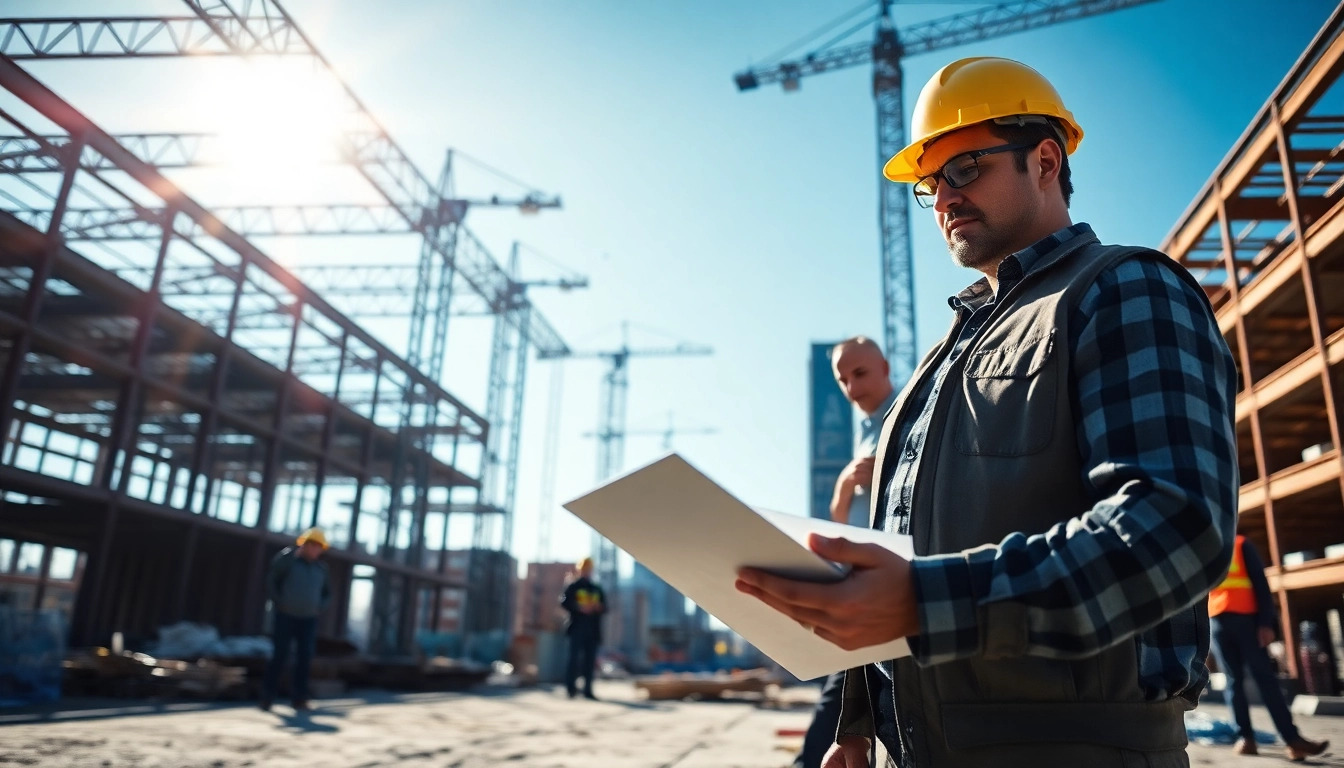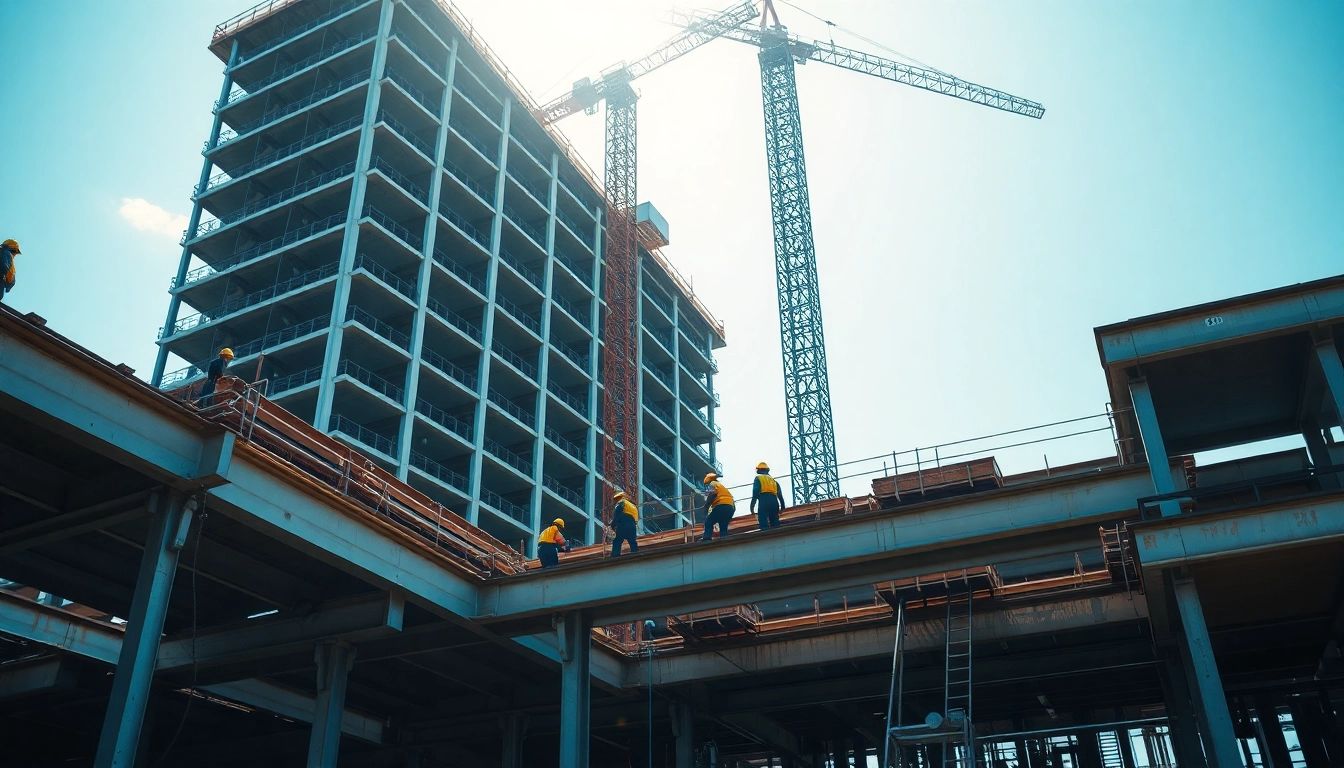
Understanding Structural Steel Construction
Structural steel construction is a vital aspect of modern architecture and engineering, providing the backbone for countless buildings, bridges, and infrastructures. Derived from the carbon-based alloy that gives steel its robust properties, structural steel is utilized worldwide for its strength, flexibility, and durability. To comprehend the full scope of structural steel, one must understand its definition, benefits, applications, and how it integrates into the realm of architectural excellence. Today, structural steel construction forms the basis of much of our built environment, making it essential for aspirants in the construction industry to grasp its importance comprehensively.
What Is Structural Steel?
Structural steel is a category of steel specifically engineered for use in construction. Formed with a specific mix of carbon and other elements, it is designed to withstand significant loads and provide longevity. Structural steel is manufactured into various shapes, most notably beams, columns, and plates. Each of these components plays a crucial role in loads distribution.
Common steel shapes include:
- I-beams
- H-beams
- Channel beams
- Angle iron
- Plates
These shapes facilitate the efficient design of structures, allowing architects and engineers to maximize space and strength while minimizing materials. The United States primarily adheres to standards set forth by ASTM International, which governs the production and utilization of structural steel to ensure safety and quality.
Benefits of Using Structural Steel
The adoption of structural steel has revolutionized construction practices due to its numerous advantages:
- Strength and Durability: Structural steel can withstand heavy loads and adverse conditions, making it a reliable choice for large buildings and bridges.
- Flexibility: Steel can be fabricated into various shapes and sizes, allowing architects to explore creative and complex designs.
- Cost-Effectiveness: The strength-to-weight ratio of structural steel reduces the amount of material needed, lessening overall construction costs.
- Speed of Construction: Prefabricated steel components can be quickly assembled on-site, speeding up the construction timeline.
- Recyclability: Steel is a recyclable material, promoting sustainability in construction practices and reducing waste.
These benefits make structural steel an attractive option for not only commercial structures but also residential buildings and infrastructure projects.
Common Applications in Modern Construction
Structural steel is commonly employed in various types of construction projects, including:
- High-Rise Buildings: Steel frames support skyscrapers, providing the necessary strength and flexibility to withstand wind loads and seismic activity.
- Bridges: Steel's high strength and durability make it ideal for bridge construction, where it must endure heavy traffic and environmental factors.
- Industrial Buildings: Factories and warehouses often utilize structural steel for their extensive open spaces and heavy machinery requirements.
- Infrastructure: Steel is used in the construction of roads, railways, and airports, ensuring safety and longevity in public transport systems.
As construction technology advances, the use of structural steel continues to expand into innovative applications that push the boundaries of traditional building practices.
Key Components of Structural Steel
Types of Structural Steel Shapes
Identifying the right type of structural steel shape is fundamental in construction. Here, we delve deeper into the common shapes and their respective applications:
- I-Beams: Known for their high load-bearing capacity, I-beams are used in floors and roofs to provide support and stability.
- H-Beams: Similar to I-beams, H-beams offer more strength and stability, making them suitable for large constructions like factories.
- Angle Iron: Used primarily for braces and supports, angle iron provides additional stability in frames and structures.
- Channel Beams: Often used in floor systems, channel beams can support loads with less material than standard beams.
- Plates: These flat steel sheets are utilized for applications like base plates and structural connections.
Understanding these common forms ensures architects and engineers select the most appropriate options to meet their structural and aesthetic goals.
Grades of Structural Steel Explained
Structural steel comes in various grades, each defined by its yield strength, tensile strength, and chemical composition. In the U.S., grades are classified according to the American Institute of Steel Construction (AISC) standards and ASTM specifications. Common grades include:
- A36: A low carbon steel used in a wide range of industries for general structural purposes.
- A992: Primarily used for building frames, A992 steel provides excellent weldability and is ideal for construction of high-rise buildings.
- S235/S275/S355: European grades that offer different yield strengths, suitable for various applications depending on structural needs.
The choice of grade ultimately affects the strength, flexibility, and weight of the structural steel, influencing construction decisions.
Standards and Industry Regulations
Ensuring the safety and integrity of structures involves adherence to several critical standards and regulatory guidelines. In the United States, the AISC and ASTM International provide guidelines that govern the specification, fabrication, and installation of structural steel. Compliance with these regulations ensures that:
- Materials are appropriately tested and validated for performance.
- Structures are designed to withstand expected loads and environmental conditions.
- Health and safety protocols are established to protect workers during construction.
Additionally, many regions have local building codes further dictating specific requirements for steel construction practices, emphasizing sustainability and energy efficiency.
Innovative Techniques in Structural Steel Construction
Modern Construction Methods
Advancements in construction methodologies have significantly influenced how structural steel is used. New techniques enhance efficiency, reduce waste, and improve safety on construction sites. Some modern methods include:
- Modular Construction: Prefabricated steel components are manufactured off-site, then transported and assembled on-site, minimizing construction time.
- Lightweight Steel: Innovations have led to lightweight variants that maintain structural integrity while being easier to handle and install.
- Building Information Modeling (BIM): This technology allows for detailed 3D modeling of structures, streamlining planning and collaboration.
These methods not only optimize construction processes but also help projects stay on schedule and within budget.
Advanced Design Software
The use of advanced software has transformed steel design, enabling engineers and architects to create accurate and efficient designs. Programs such as CAD (Computer-Aided Design) and BIM offer unprecedented capabilities:
- Visual Modelling: Designers can create and visualize structural frameworks in three dimensions, facilitating early detection of issues.
- Structural Analysis: Advanced tools allow engineers to simulate various load scenarios, ensuring that designs meet safety and performance standards.
- Collaboration and Integration: Multiple teams can work within the same model, ensuring coherence between architectural plans and structural steel applications.
The integration of design software not only enhances productivity but also mitigates risks in structural projects.
Steel Fabrication Processes
The fabrication of steel encompasses several processes that transform raw materials into usable structural elements. Key processes include:
- Cutting: Fabricators cut steel sheets and beams to specified dimensions using saws, lasers, or plasma cutting.
- Bending: Curved sections of steel can be produced using various machines, adapting further to design requirements.
- Welding and Joining: Techniques such as MIG and TIG welding connect steel members reliably, ensuring strong and durable joints.
- Coating: Protective coatings, including galvanization and paint, are applied to enhance the longevity and aesthetic of steel structures.
These fabrication processes ensure that the steel used in construction is tailored precisely to meet the demands of each specific project.
Structural Steel Construction Best Practices
Safety Protocols on Construction Sites
The safety of construction workers is paramount, especially when dealing with heavy steel components. Adopting best practices for safety includes:
- Regular Training: Ensure all workers are trained in safety protocols and are familiar with materials and machinery being used.
- Personal Protective Equipment (PPE): Enforce the usage of hard hats, gloves, and steel-toed boots to safeguard workers from potential injuries.
- Site Management: Maintain clear communication and coordination to establish the roles and responsibilities of every worker on-site.
By implementing these measures, construction companies can reduce accident rates and promote a safety-first culture.
Quality Control Measures
Quality control ensures that structural steel meets industry standards and performs as expected. Effective practices include:
- Material Inspection: Verify the quality and specifications of steel materials received before fabrication and installation.
- Regular Testing: Conduct tensile and yield strength tests on steel components to ascertain their structural integrity.
- Documentation: Keep thorough records of inspections, tests, and any alterations made throughout the construction process.
By adhering to rigorous quality control standards, companies can ensure the longevity and stability of their structures.
Environmental Considerations
Steel construction has made strides toward sustainability, yet it is vital to recognize and mitigate its environmental impact. Practices focusing on sustainability include:
- Recycling Steel: Utilizing recycled materials not only reduces waste but also lowers the energy consumption required to produce new steel.
- Efficient Material Usage: Maximize the efficiency of materials chosen to minimize waste during fabrication and construction.
- Sustainable Construction Practices: Adopt practices such as minimizing the use of harmful substances and opting for eco-friendly alternatives where feasible.
Embracing sustainability not only benefits the environment but can also enhance a company’s reputation and marketability.
Future Trends in Structural Steel Construction
Technological Innovations
The future of structural steel construction is heavily influenced by technological advancements. Emerging trends include:
- 3D Printing: Innovations in metallic 3D printing could revolutionize the fabricating process by enabling on-site production of complex components.
- Smart Buildings: The integration of Internet of Things (IoT) sensors into steel frameworks allows for real-time monitoring and management of structural health.
- Automation and Robotics: Automation in fabrication processes can enhance precision, efficiency, and reduce safety risks for workers.
These technologies not only enhance the efficiency of construction but also lead to smarter, more resilient buildings.
Sustainable Practices in Steel Construction
With increasing awareness around climate change, the construction industry is under pressure to adopt sustainable methods. Key trends include:
- Green Building Certifications: Striving for certifications such as LEED (Leadership in Energy and Environmental Design) encourages environmentally friendly practices.
- Energy-Efficient Designs: Using thermal insulation and advanced building techniques to minimize energy consumption in steel structures.
- Lifecycle Assessment: Companies are evaluating the full lifecycle of materials used to reduce environmental impact from production through disposal.
Emphasizing sustainability enhances the overall value of construction projects and aligns with global eco-friendly mandates.
The Rise of Modular Steel Buildings
Modular construction is gaining traction, especially in urban areas where space and time constraints often pose challenges. Benefits of modular steel buildings include:
- Rapid Construction: With much of the building completed off-site, projects can be executed faster, reducing time on-site.
- Cost Savings: Utilizing prefabricated components minimizes waste and labor costs.
- Quality Assurance: Factory-controlled conditions allow for consistent quality and adherence to specifications.
The modular approach presents a compelling solution to the growing demand for quicker, more efficient construction methods in urban environments.