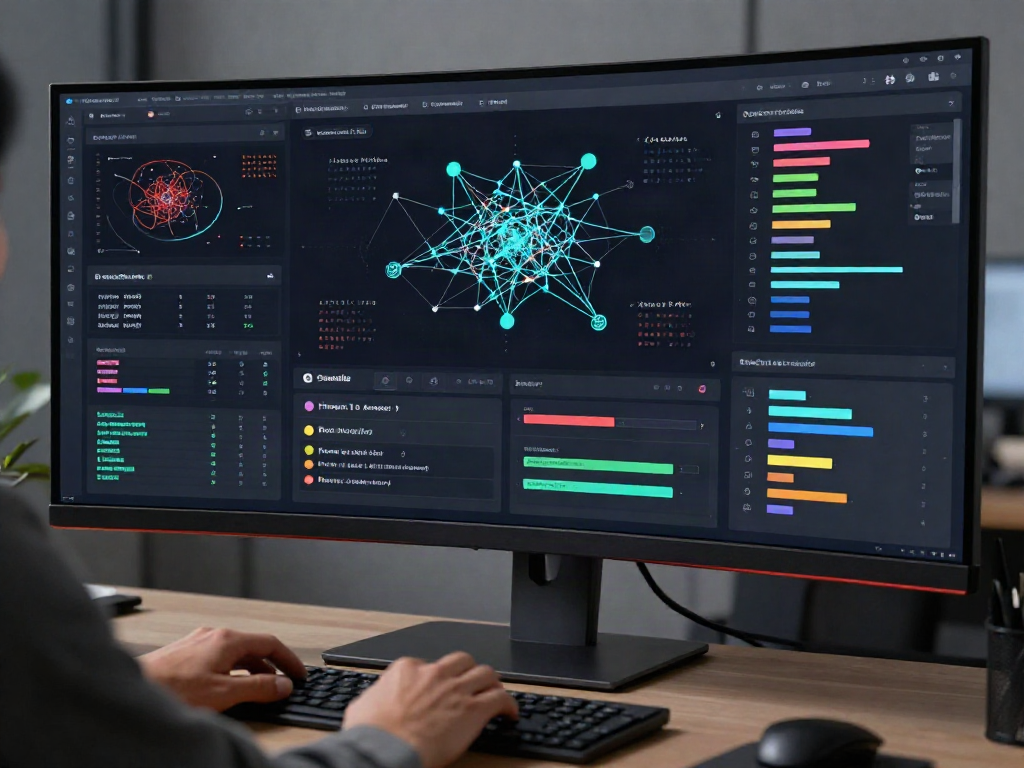
Understanding Infosec Fundamentals
Information security, commonly referred to as infosec, is a critical component in today's digital age, where data breaches and cyber threats are a constant concern. Organizations and individuals alike face the challenge of safeguarding sensitive information from malicious actors while ensuring compliance with regulations. Effective infosec practices are not just about technology but encompass a holistic approach that integrates policies, processes, and people. In this article, we will delve into the core aspects of information security, the emerging threats we face, and the strategies necessary to create a robust security posture.
The Importance of Information Security in Today’s Digital World
The digital landscape has evolved rapidly, creating immense opportunities and significant risks. With the rise of big data, cloud computing, and the Internet of Things (IoT), the attack surface for cybercriminals has expanded exponentially. Organizations must prioritize information security to protect their assets and maintain trust among customers. For example, a well-publicized data breach can lead to not only financial losses but also long-lasting damage to a company's reputation. Understanding these implications is essential for businesses striving to protect their digital assets.
Common Threats and Vulnerabilities in Infosec
Threats in the infosec realm are diverse and continuously evolving. Common vulnerabilities include:
- Malware: Malicious software that disrupts, damages, or gains unauthorized access to computer systems.
- Phishing: Deceptive tactics employed to trick users into providing confidential information.
- Insider Threats: Employees or contractors who misuse their access to data.
- Unpatched Software: Systems that lack updates are vulnerable to exploitation.
Organizations need to stay informed about these threats to implement effective countermeasures.
Key Principles of Effective Information Security Management
Managing information security involves adopting key principles that ensure a systematic approach. These principles include:
- Confidentiality: Ensuring that information is not disclosed to unauthorized individuals or systems.
- Integrity: Safeguarding the accuracy and completeness of information.
- Availability: Ensuring that authorized users have access to information when needed.
By adhering to these principles, organizations can establish a strong foundation for their infosec practices.
Advanced Techniques in Infosec Practices
As cyber threats become more sophisticated, organizations must leverage advanced techniques to enhance their security measures. This section explores innovative tools and strategies that can bolster your cybersecurity posture effectively.
Utilizing Tools for Effective Cyber Defense
Several tools are essential for robust infosec practices. This includes:
- Intrusion Detection Systems (IDS): These monitor network traffic for suspicious activity.
- Security Information and Event Management (SIEM): Solutions that analyze security alerts from various sources in real-time.
- Endpoint Protection Platforms (EPP): Software designed to secure endpoints on a network.
By integrating these tools, businesses can enhance their ability to detect and respond to incidents.
Implementing Risk Management Strategies
Risk management is pivotal in infosec. It involves identifying, assessing, and prioritizing risks followed by coordinated efforts to minimize, monitor, and control the probability or impact of unfortunate events. Effective risk management strategies include:
- Risk Assessment: Regularly evaluate potential risks to determine their impact and likelihood.
- Incident Response Planning: Prepare a response plan for potential security incidents.
- Employee Training: Ensure everyone understands their role in maintaining security.
Organizations that actively manage risk are better positioned to mitigate threats effectively.
Real-World Examples of Successful Infosec Deployments
Learning from real-world case studies can provide valuable insights into effective infosec strategies. For instance, organizations that successfully implemented robust data encryption protocols saw a significant decrease in successful phishing attacks. Similarly, companies that incorporated multi-factor authentication (MFA) reported a reduction in unauthorized access incidents. These examples highlight the importance of adopting a proactive approach to information security.
Building a Strong Infosec Team
A skilled and knowledgeable infosec team is crucial to an organization's defense against cyber threats. The following sections discuss the essential roles, skills, and training required to build an effective team.
Essential Skills and Roles in an Infosec Team
Different roles are critical in an infosec team. These include:
- Information Security Analyst: Monitors security systems and responds to threats.
- Security Engineer: Designs and implements secure network solutions.
- Compliance Officer: Ensures that the organization adheres to security regulations.
Each position requires a unique set of skills and expertise, emphasizing the need for a diverse team capable of addressing various challenges.
The Role of Continuous Training and Development
Given the rapid evolution of technology and cyber threats, continuous training and professional development are vital for infosec teams. Regular workshops, certifications, and training sessions help team members stay current with the latest trends, tools, and best practices. Encouraging a culture of learning enhances team performance and prepares them to meet emerging security challenges.
Fostering a Security-First Culture in Organizations
Creating a security-first culture begins with leadership. Executives and management must prioritize security by providing the necessary resources and support to their infosec teams. Additionally, involving every employee in security initiatives fosters a collective sense of responsibility for safeguarding information assets. This culture can significantly decrease the likelihood of breaches stemming from human error.
Emerging Trends in Infosec for 2025 and Beyond
As technology continues to evolve, so too does the landscape of information security. This section explores the trends shaping the future of infosec.
The Impact of Artificial Intelligence on Cybersecurity
Artificial Intelligence (AI) is revolutionizing the cybersecurity industry. AI-driven systems can analyze vast amounts of data, detecting anomalies and potential threats in real-time. These systems can respond to incidents faster than human teams, significantly reducing response times. Organizations should consider integrating AI solutions into their infosec strategies to enhance their resilience against cyber threats.
Cloud Security Innovations and Best Practices
With the continued shift to cloud-based solutions, ensuring the security of these environments is paramount. Best practices for cloud security include:
- Regular Audits: Conduct frequent audits to ensure compliance and identify vulnerabilities.
- Data Encryption: Encrypt sensitive data both at rest and in transit.
- Access Controls: Implement strict access controls to limit who can access sensitive data.
By following these practices, organizations can better secure their cloud environments.
Future-Proofing Your Infosec Strategy Against Evolving Threats
To stay ahead of evolving threats, organizations must adopt a proactive approach to infosec. This includes ongoing threat intelligence gathering, regularly updating security policies, and investing in innovative technologies. Continuous improvement and adaptation to the ever-changing cyber landscape are essential for maintaining a strong security posture.
Conclusion: Your Path to Infosec Excellence
Achieving excellence in information security requires a multifaceted approach involving strategic planning, team development, and the adoption of cutting-edge technologies. By understanding the fundamental aspects of infosec, implementing advanced techniques, building strong teams, and adapting to emerging trends, organizations can create a resilient security framework that protects their data and systems.
How to Create an Actionable Infosec Plan
To establish an actionable infosec plan, organizations should start with a comprehensive risk assessment. From there, create a list of prioritized security measures based on identified vulnerabilities and risks. Incorporate regular reviews to ensure the plan remains relevant as technology and threats evolve.
Measuring Success and Continuous Improvement in Infosec
Measuring the success of infosec initiatives is vital for improvement. Key performance indicators (KPIs) such as incident response times, the number of breaches, and user training effectiveness can provide insights into how well security measures are functioning. Regular evaluation enables organizations to refine their strategies and respond to deficiencies effectively.
Resources for Ongoing Learning and Professional Development
Access to resources is crucial for continual growth in the infosec field. Organizations should encourage team members to participate in professional development programs, such as security certifications and industry conferences. Additionally, leveraging platforms like infosec blogs and forums can provide ongoing insights and community support.