
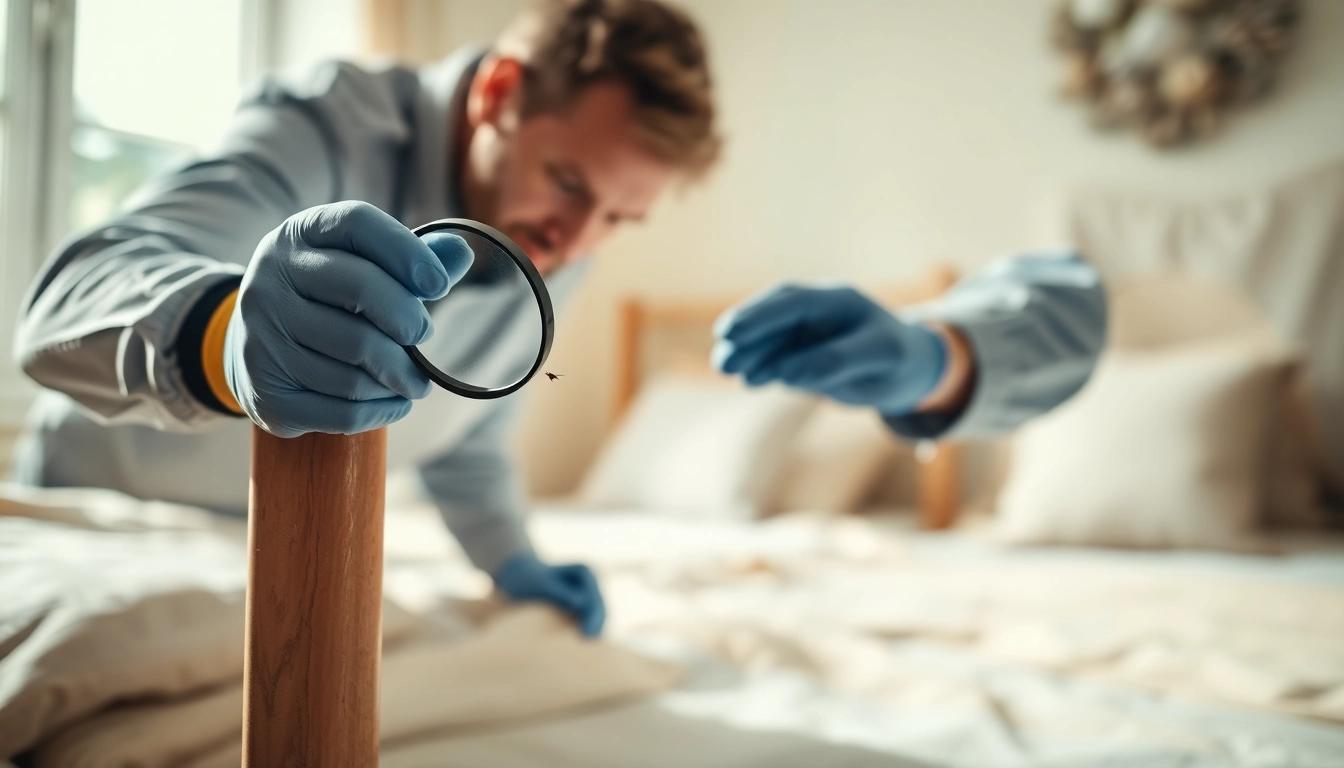
Understanding Bed Bugs and Their Habits
What Are Bed Bugs?
Bed bugs, scientifically known as Cimex lectularius, are small, wingless insects that feed primarily on human blood. They are nocturnal creatures that prefer to hide in crevices during the day, emerging at night to feed. Bed bugs are adept at invading homes and can thrive in various environments, making them a widespread pest issue. Their resilience, coupled with their ability to reproduce rapidly, makes them a significant concern for homeowners.
Signs of a Bed Bug Infestation
Identifying a bed bug infestation early is crucial for effective treatment. Key signs include:
- Red, itchy bites: Bed bug bites often appear in clusters or lines on exposed skin, typically on the arms, shoulders, and legs.
- Bed bug droppings: Small dark spots on bedding, mattresses, or upholstered furniture are a telltale sign of their presence.
- Molted skin: As bed bugs mature, they shed their exoskeletons, which can be found in areas where they hide.
- Unpleasant odor: A musty smell may indicate a larger infestation, as bed bugs release pheromones.
Life Cycle of Bed Bugs
Bed bugs undergo a simple metamorphosis comprising three stages: egg, nymph, and adult. Females lay approximately 200 to 500 eggs in their lifetime, which hatch into nymphs within 6 to 10 days. Nymphs go through five molts before reaching adulthood, requiring a blood meal at each stage. This rapid life cycle, often completed in about 4 to 5 weeks under optimal conditions, contributes to their potential for widespread infestation.
Why Professional Bed Bug Pest Control is Essential
Benefits of Hiring Experts
While DIY methods can be attempted, hiring professionals for bed bug pest control has several advantages:
- Expertise: Professionals are trained to identify bed bugs and understand their behavior.
- Effective treatment: They can use advanced methods and products that are not available to the general public.
- Long-term prevention: Professionals can provide insights on preventing future infestations, saving you money and stress.
Tools and Techniques Used
Professional pest control services employ a variety of tools and techniques to combat bed bugs, including:
- Heat treatment: Raising the temperature of an infested area to levels lethal to bed bugs.
- Pesticides: Applying insecticides that are specifically effective against bed bugs.
- Vacuuming: Using HEPA-filter vacuums to remove bed bugs and their eggs from various surfaces.
- Monitoring traps: Setting traps to capture bed bugs and assess the extent of the infestation.
Long-term Solutions Through Professional Help
Engaging professional help offers lasting solutions through integrated pest management (IPM) approaches. These strategies not only focus on immediate extermination but also on managing conditions that encourage pest reproduction. This holistic view can lead to more sustainable pest control outcomes and ensure that your home remains bed bug-free.
DIY Methods for Bed Bug Pest Control
Home Remedies to Try
If you prefer to tackle a bed bug issue on your own, several home remedies can assist in your efforts:
- Heat: Wash bedding in hot water and dry on high heat to kill both bugs and eggs.
- Diatomaceous earth: Sprinkle this natural powder in areas where bed bugs hide; it dehydrates and kills them.
- Essential oils: Certain oils, like lavender and tea tree, can repel bed bugs. However, they may not be completely effective in eradicating infestations.
When DIY Fails and You Need Help
It can be frustrating when DIY methods do not yield the desired results. If you find yourself facing persistent infestations despite your efforts, it’s time to seek professional bed bug pest control services. Ignoring the problem can lead to further spread and more difficult treatment down the line.
Safety Precautions to Consider
When undertaking pest control at home, it’s vital to consider safety. Here are some tips:
- Read labels: Ensure you understand the instructions and safety measures on any commercial pest control products you use.
- Ventilation: Make sure your space is well-ventilated during treatment to mitigate exposure to harmful chemicals.
- Protect pets and children: Keep children and pets away from treated areas to avoid accidental exposure.
Preparing Your Home for Pest Control Treatment
Steps to Take Before Treatment
Preparation is key to successful pest control. Before a professional treatment or DIY attempt:
- Declutter: Remove cluttered items to make inspection and treatment easier.
- Vacuum: Vacuum floors, carpets, and furniture thoroughly to reduce the number of bugs present.
- Lauder bedding: Wash all linens, sheets, and bedding in hot water and dry them on high heat.
How to Protect Belongings
When preparing for bed bug treatment, it’s crucial to protect your belongings. Here are some effective strategies:
- Seal items: Place clothing and personal items in sealed plastic bags to prevent contamination.
- Move furniture: If possible, move furniture away from walls to expose hiding spots.
- Remove valuables: Take valuables and sensitive items out of the house to reduce the risk of damage.
Timing and Scheduling Treatments
Choosing the right time for pest control can greatly affect its effectiveness. Consider scheduling during low-traffic times when you can keep the area undisturbed. Ensure adequate time is allocated for complete treatments, especially if your home has had a significant infestation.
Frequently Asked Questions About Bed Bug Pest Control
How Effective Is Bed Bug Pest Control?
Bed bug pest control can be highly effective if conducted by professionals using the correct methods. Ensuring comprehensive treatments combined with preventative measures will yield the best results.
What Should I Expect During a Treatment?
During treatment, expect professionals to inspect every room, apply treatments, and provide guidelines for follow-up. You may need to vacate the area temporarily for safety.
Can I Stay in My Home During Pest Control?
In most cases, staying in your home during the initial treatment is not recommended due to chemical exposure risks. Follow your pest control technician’s advice regarding timing.
What To Do With My House After Treatment?
After treatment, it’s essential to follow any guidance provided by professionals, including when it’s safe to return and how to maintain cleanliness to prevent further infestations.
How Long Does Bed Bug Treatment Last?
The duration of bed bug treatment effectiveness depends on several factors, including the extent of the infestation and follow-up care. Regular monitoring and preventive measures ensure longevity.
About the Author