
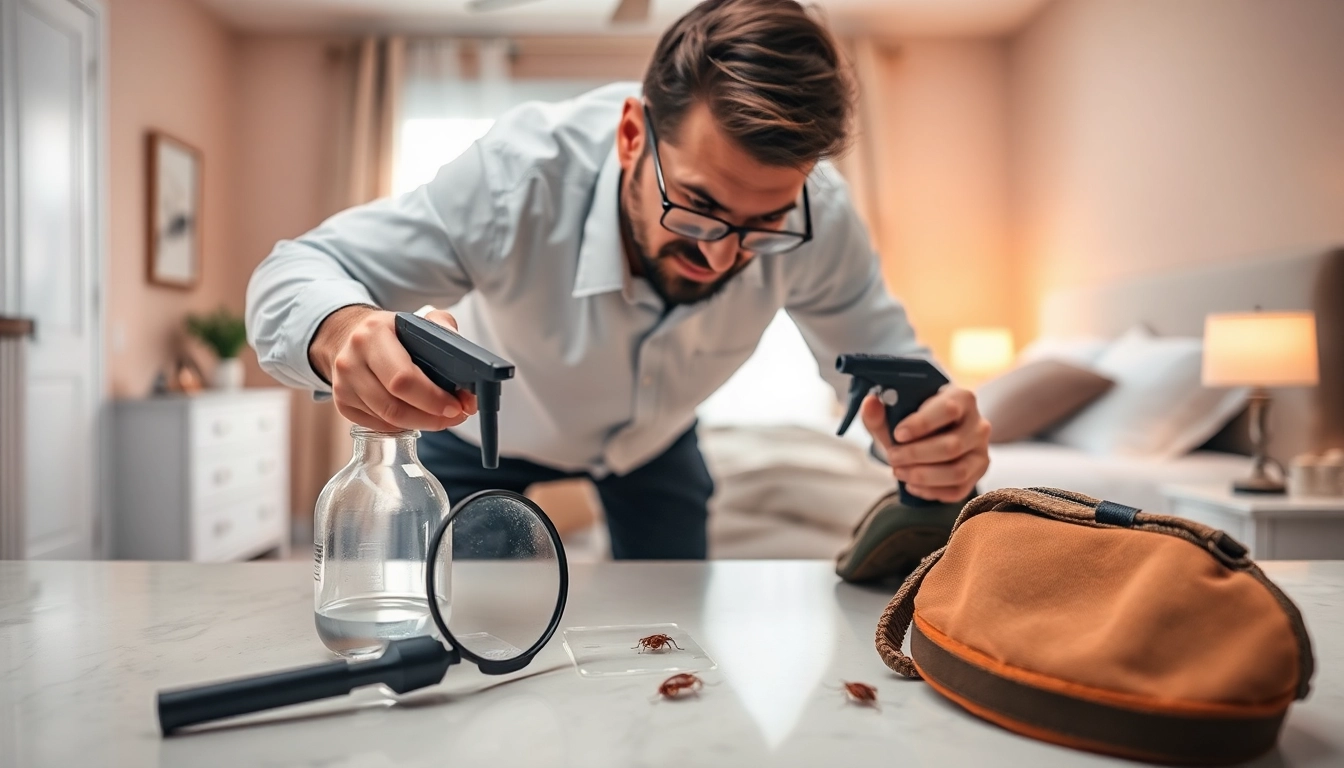
Understanding Bed Bug Pest Control: The Basics
Bed bugs are small, nocturnal insects that feed on human blood. They are notorious for their ability to infest homes, hotels, and other establishments, causing distress and discomfort for those affected. With their population on the rise in various urban areas, understanding effective bed bug pest control methods is more crucial than ever. This guide aims to provide detailed insights into identification, control methods, and prevention strategies to help combat these persistent pests.
What Are Bed Bugs and Why Are They a Problem?
Bed bugs (Cimex lectularius) are flat, brownish insects measuring around 1/4 inch long. They typically hide in small crevices, including mattress seams, bed frames, baseboards, and even behind wallpaper. Their nocturnal feeding habits make them particularly troublesome, as they often bite unsuspecting hosts during the night, leaving itchy welts on the skin. The primary reason bed bugs are a problem stems from their rapid reproduction, with a single female capable of laying hundreds of eggs during her lifetime. Their resilience against various environmental conditions makes them incredibly difficult to eliminate.
Signs of a Bed Bug Infestation
Recognizing the signs of a bed bug infestation early is key to effective control. Common indicators include:
- Physical Bites: Small, red welts often grouped in a line or cluster.
- Rusty or Dark Spots: Excrement left behind can appear as small stains on bedding or furniture.
- Eggs and Shells: Speck-sized white eggs and molted shells can be found where bed bugs reside.
- Unusual Odor: A musty smell often accompanies a heavy infestation, as bed bugs emit pheromones.
Common Misconceptions about Bed Bug Pest Control
There are several misconceptions that can hamper the effectiveness of bed bug control efforts. For instance:
- Myth: Bed bugs only inhabit dirty environments.
Fact: Bed bugs can thrive in both clean and dirty spaces. - Myth: DIY methods are always effective.
Fact: While some DIY techniques can help, professional intervention is often necessary for severe infestations. - Myth: Bed bugs are only a problem in urban areas.
Fact: Bed bugs can infest any type of dwelling, rural or urban.
Effective Methods for Bed Bug Pest Control
Heat Treatment: How It Works
Heat treatment involves raising the temperature of the infested area to a lethal level for bed bugs. Typically, temperatures above 120°F (49°C) can kill all life stages of bed bugs. This method is effective because it penetrates deep into areas where chemicals may not reach, such as furniture and wall voids. Professionals use specialized equipment to ensure that temperatures are consistently maintained throughout the treatment zone. This approach not only effectively eradicates existing bed bugs but also minimizes the risk of chemical exposure to humans and pets.
Chemical Treatments: What You Need to Know
Chemical treatments can involve a variety of insecticides designed to kill bed bugs. Options include:
- Contact Insecticides: Kill bed bugs on contact but may not eliminate those hiding in cracks.
- Residual Insecticides: Leave a residue that continues to kill bugs for weeks after application.
- Insect Growth Regulators (IGRs): Disrupt the life cycle by inhibiting reproduction and molting.
It is crucial to select the right products according to specific infestations and follow safety precautions during application.
Integrated Pest Management Approach
An Integrated Pest Management (IPM) approach combines various strategies to achieve effective bed bug control while minimizing risks to people and the environment. Key components of IPM include:
- Inspection: Regularly checking for signs of bed bugs to catch infestations early.
- Prevention: Implementing strategies like encasing mattresses, reducing clutter, and regularly washing bedding.
- Control: Using both physical methods (like vacuuming and steaming) and chemical treatments in a coordinated manner.
How to Prepare Your Home for Bed Bug Pest Control
Cleaning and Decluttering Tips
Preparation is vital before any pest control treatment. To ensure effectiveness, reduce clutter in infested areas. This not only facilitates easier access for treatments but also reduces hiding spots for bed bugs. Ensure that areas around beds and furniture are vacuumed thoroughly, and wash all bedding and clothing in hot water to help eliminate any eggs or bugs present.
Items to Remove Before Treatment
Prior to treatment, consider removing the following items from affected areas:
- All bedding and linens should be removed and washed.
- Personal items like pillows, stuffed animals, and clothing should be bagged for cleaning.
- Heavy furniture may need to be moved away from walls to allow access for treatments.
Post-Treatment Precautions
After treatment, it is vital to take precautions to avoid re-infestation. Avoid bringing in used furniture or clothing without proper inspection. Seal any gaps in walls or around baseboards to eliminate potential hiding spots. Regular inspections should continue to catch any new infestations early.
Cost Considerations for Bed Bug Pest Control
Factors Influencing Treatment Costs
Several factors can influence the cost of bed bug pest control, including the size of the infested area, the severity of the infestation, and the methods used for treatment. On average, costs can range from hundreds to thousands of dollars, depending on the course of action taken. For large infestations, a multi-treatment approach may be necessary, increasing overall costs.
Cost Comparison of Different Methods
Below is a basic comparison of price points for commonly used bed bug treatment methods:
- Heat Treatment: Typically ranges from $1,000 to $2,500 depending on the severity.
- Chemical Treatments: Usually costs between $300 and $1,500.
- Preventative Measures: Regular inspections and measures can be budgeted into routine maintenance, averaging around $200 annually.
Budgeting for Future Preventive Measures
To prevent future infestations, consider budgeting for ongoing preventative measures. This includes maintaining cleanliness, conducting regular inspections, and investing in protective covers for mattresses and pillows. By incorporating these options into your routine, you can minimize the risk of re-introduction.
FAQs about Bed Bug Pest Control
Will pest control get rid of bedbugs?
Yes, pest control services are effective in eliminating bed bugs through various treatment methods, including heat and chemical treatments.
How do pest exterminators get rid of bed bugs?
Exterminators use a combination of heat, chemical treatments, and thorough inspections to eliminate bed bugs from homes and establishments.
What kills bed bugs instantly?
Contact insecticides can kill bed bugs on contact, while heat treatments can effectively eliminate all life stages quickly by raising ambient temperatures.
How can I prevent a bed bug infestation?
Prevent infestations by maintaining cleanliness, regularly washing bedding, checking for signs in second-hand items, and encasing mattresses.
How often should pest control be performed?
Regular inspections are recommended at least twice a year, while treatments should be performed as needed based on identified risks and signs of infestations.
About the Author