
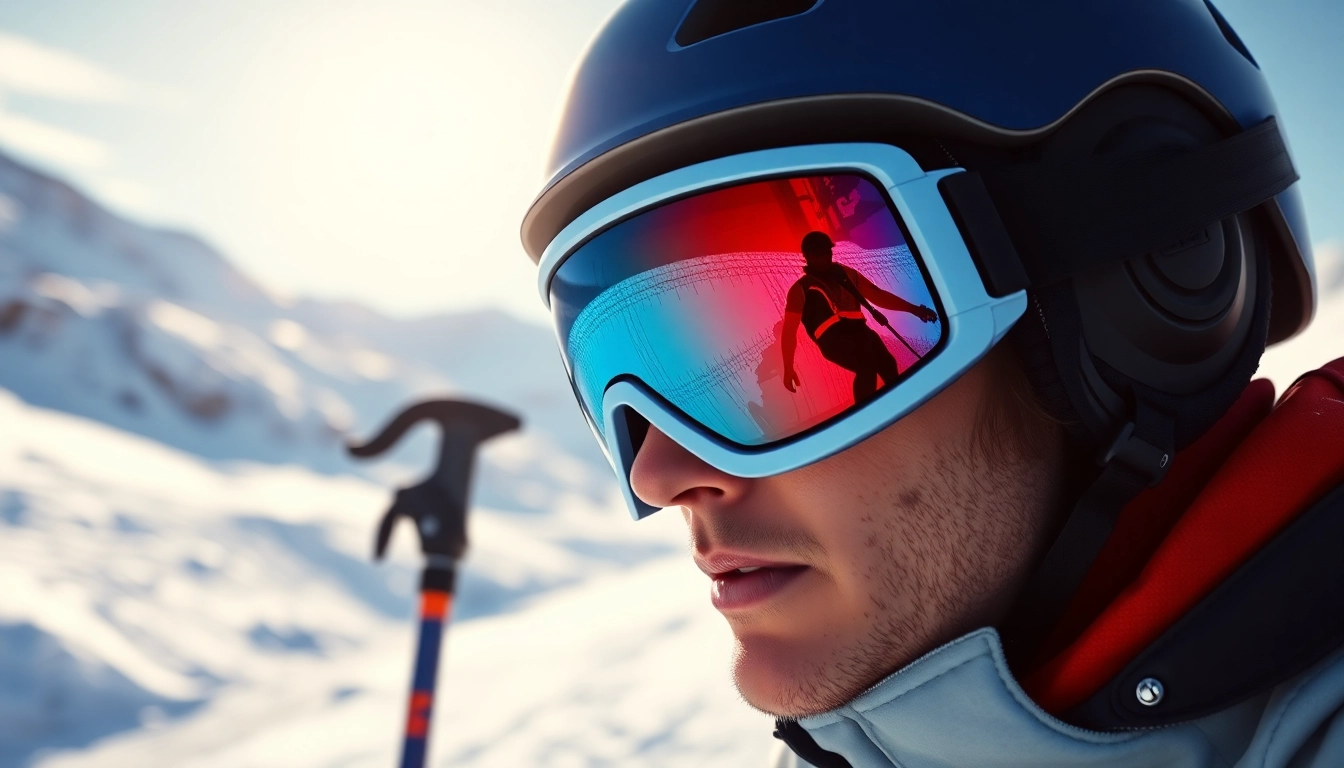
Understanding the Importance of Goggles in Winter Sports
When it comes to enjoying winter sports, having the right equipment is crucial for safety, performance, and overall experience. Among the essential gear, goggles play an important role. They not only protect your eyes from harsh weather conditions like wind, snow, and UV rays but also enhance visibility on the slopes, allowing enthusiasts to navigate varied terrains more effectively.
The Role of Goggles in Skiing
Goggles are specifically designed to shield your eyes from external elements. When skiing, your eyes are exposed to extreme weather conditions. Bright sunlight reflecting off snow can cause significant glare, which is where goggles come into play. They help to filter out harmful UV rays, protecting your health. Additionally, goggles improve contrast, particularly in flat light conditions or snowstorms, enhancing depth perception and reducing the risk of accidents.
Key Features to Look for in Goggles
When selecting goggles, several key features need consideration to ensure they meet your specific needs:
- Lens Type: Choose between polarized, mirrored, and photochromic lenses based on your environment.
- Fit: Opt for a snug yet comfortable fit to prevent any cold air from entering.
- Foam Padding: Quality foam lining provides comfort and seals off gaps that could let in cold air.
- Anti-fog Treatment: Look for lenses with built-in anti-fog technology to maintain visibility.
- Interchangeable Lenses: These allow for quick adjustments based on weather conditions.
Common Mistakes to Avoid with Goggles
Here are some frequent errors skiers make that can negatively impact their performance and experience:
- Choosing Style Over Function: While aesthetics matter, ensure they fit functionally for your activity.
- Ineffective Lens Selection: Not understanding lens types can lead to visibility issues in diverse conditions.
- Improper Storage: Storing goggles improperly can cause scratches or damage to the lenses.
- Neglecting Maintenance: Not cleaning or maintaining goggles can lead to performance decline and fogging.
Types of Goggles: Which One is Right for You?
Choosing the ideal goggles for winter sports can be overwhelming given the variety available. Here’s a guide that can help you navigate through the options:
Different Lens Types Explained
Lenses can make all the difference in your skiing experience. Understanding the different types available helps in making an informed choice:
- Polarized Lenses: Reduce glare from the sun on the snow. Great for bright conditions but less effective in low light.
- Mirrored Lenses: Reflect sunlight and reduce brightness, which is perfect for sunny days.
- Photochromic Lenses: These adapt to changing light conditions, darkening in bright sunlight and lightening in lower light.
Frame Styles: Finding Your Fit
The frame is just as crucial as the lenses. A properly fitted frame not only ensures comfort but also function:
- Full Frame: Offers maximum protection but may be heavier and less ventilated.
- Half-frame: Lightweight and enhance visibility but provide less protection.
- OTG (Over the Glasses): Designed for those who wear prescription glasses. They fit over eyeglasses comfortably.
Weather-Dependent Goggles
Different weather conditions call for specific features in goggles. For instance:
- Snowy Conditions: Goggles with a high VLT (Visible Light Transmission) are ideal for overcast or snowy days.
- Bright Conditions: Lower VLT goggles work best under bright sunlight, offering more protection.
- Variable Conditions: Consider interchangeable lenses to adapt to changing environments.
How to Care for Your Goggles
Proper care and maintenance extend the life of your goggles and ensure they perform optimally.
Routine Maintenance Tips
To keep your goggles in top shape, incorporate these maintenance habits:
- Inspect Regularly: Check for scratches or breaks before and after each use.
- Avoid Direct Heat: Don’t leave goggles on the ski dashboard or near a fire to prevent lens warping.
- Handle with Care: Always use a soft cloth to clean the lenses and avoid using harsh chemicals.
Cleaning Your Goggles Properly
Cleaning goggles may seem simple, but here’s how to do it effectively:
- Rinse: Always rinse with cool water to remove debris before wiping.
- Use a Microfiber Cloth: Gently wipe the lenses without applying excessive pressure.
- Air Dry: Allow goggles to air-dry completely before storing them.
Storage Guidelines to Extend Lifespan
How you store your goggles can significantly affect their longevity:
- Use a Protective Case: Store goggles in a hard case to avoid scratches and bending.
- Keep Away from Direct Sunlight: Store in a cool, dry place to avoid lens deterioration.
- Remove Foam Padding: If allowed, remove foam to prevent moisture buildup from perspiration.
Trends and Innovations in Goggles
As technology evolves, so do goggles. Here’s a look at emerging trends that can enhance your winter sports experience:
Technological Advances in Lens Technology
The field of lens technology is rapidly advancing, leading to better performance:
- Anti-fog Coatings: Innovations in coating technology are providing better and longer-lasting fog resistance.
- Enhanced UV Protection: New materials provide increased ultraviolet protection without compromising visibility.
Smart Goggles: The Future of Skiing
Smart goggles are becoming increasingly popular, integrating technology that enhances the skiing experience:
- Heads-Up Displays: Some goggles feature displays that show speed, altitude, and navigation.
- Bluetooth Connectivity: Connect to music or communication devices, keeping users connected while on slopes.
Eco-Friendly Options in Goggles
With growing environmental awareness, more brands are developing eco-friendly goggles:
- Sustainable Materials: Use of recycled materials in production to reduce environmental impact.
- Repairable Designs: Goggles designed for easy repair, extending their lifecycle and reducing waste.
Frequently Asked Questions About Goggles
What’s the difference between polarized and non-polarized goggles?
Polarized goggles are designed to reduce glare from reflective surfaces, enhancing visibility in bright conditions. Non-polarized goggles do not have this feature, making them less effective against glare.
How do I choose the right size for my goggles?
To ensure a proper fit, try them on with your helmet. They should sit snugly on your face without gaps, and the lenses should provide a wide field of vision without obstruction.
Can I use my goggles for activities other than skiing?
Absolutely! Goggles designed for skiing can often be used for snowboarding, snowmobiling, or other winter sports. Ensure they fit and perform well under those specific conditions.
How often should I replace my goggles?
If you notice scratches, fogging issues that persistent cleaning doesn’t resolve, or if they don’t fit well anymore, it’s time to replace them. Typically, goggles should be replaced every few seasons with regular use.
What are the best ways to prevent fogging on my goggles?
Use anti-fog sprays or wipes, ensure proper ventilation while skiing, and avoid touching the inside of the lenses. Invest in high-quality goggles that have good anti-fog technology built-in.
About the Author