
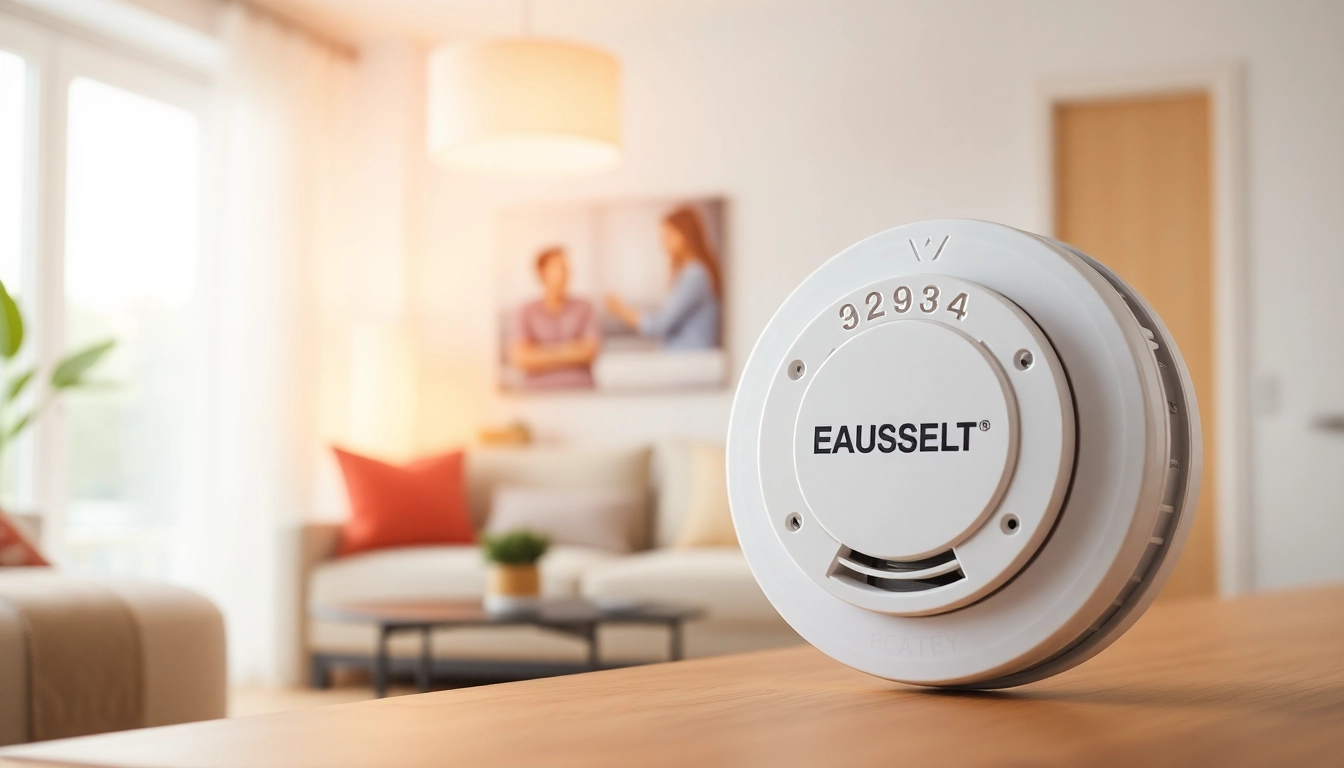
Understanding Smoke Detector Battery Types
Common Battery Types for Smoke Detectors
Smoke detectors are essential devices in enhancing safety within homes and businesses. They often require power from batteries, with the most prevalent types being 9V alkaline batteries, lithium batteries, and sometimes AA or AAA cylindrical batteries. Alkaline batteries offer an affordable option, while lithium batteries, though more expensive, provide longer-lasting power, often extending beyond a decade without replacement. Understanding these options is crucial in selecting the right smoke detector battery for your needs.
Rechargeable vs. Disposable Options
When choosing a smoke detector battery, you’ll come across two primary categories: rechargeable and disposable batteries. Rechargeable batteries, like nickel-cadmium, can be reused multiple times, which may be eco-friendlier, but they often have shorter lifespans between charges. Disposable batteries, particularly lithium and alkaline, are widely used due to their simplicity and convenience, and they typically offer a reliable solution with minimal maintenance.
Importance of Battery Size and Voltage
The specifications of your smoke detector will determine the size and voltage of the battery required. Using the correct size is crucial for operational efficiency—typically, smoke detectors will list their battery requirements in users’ manuals or on the device itself. Failing to adhere to these specifications can lead to performance issues or complete device failure.
How to Replace Your Smoke Detector Battery
Step-by-Step Replacement Guide
Replacing a smoke detector battery is a straightforward process, but it requires attention to detail to ensure safety. Here’s a step-by-step guide:
- Identify the type of battery your smoke detector uses.
- Turn off the smoke detector or remove it from its mounting.
- Open the battery compartment, generally by sliding a cover or pressing a latch.
- Remove the old battery and dispose of it according to local guidelines.
- Insert the new battery, making sure to match the positive and negative terminals correctly.
- Close the battery compartment and secure the smoke detector back in place.
- Test the smoke detector by pressing the test button to ensure it operates properly.
Signs That Your Smoke Detector Battery Needs Replacement
It’s important to regularly monitor the status of your smoke detector’s battery to ensure it’s functioning correctly. Common signs that indicate battery replacement is necessary include:
- A chirping or beeping sound emanating from the detector, often signaling a low battery.
- A dimming indicator light, which may suggest battery depletion.
- Detection unit malfunctioning during routine tests, indicating insufficient power.
Proper Disposal of Old Batteries
Disposing of old batteries correctly is essential for environmental safety. Most alkaline batteries can be disposed of with regular household waste, but lithium and rechargeable batteries may require special disposal. Check with local waste management guidelines for specific instructions on recycling and disposal to minimize environmental impact.
Best Practices for Maintaining Smoke Detector Batteries
Regular Testing and Maintenance Tips
To ensure optimal performance from your smoke detectors, regular maintenance is key. Here are some vital tips to follow:
- Test your smoke detectors monthly by pressing the test button.
- Replace the batteries at least once a year, or more often if using non-lithium types.
- Ensure the smoke detectors are dust-free and free from obstructions that may hinder their operation.
- Check the expiration date of the smoke detector itself; many have a lifespan of 8-10 years and need to be replaced.
Storing Spare Batteries Effectively
Having spare batteries readily available can help ensure your smoke detectors are always ready for action. Keep them in a cool, dry place away from direct sunlight, and monitor their expiration dates to prevent using outdated batteries. Labeling them with the expiration date can help keep track of replacements needed.
When to Upgrade Your Smoke Detector
Smoke detectors should be replaced every 8-10 years, depending on model specifications. If your smoke detector is frequently faulty or requires constant battery replacements, it may be time for an upgrade. Additionally, consider investing in modern devices that come with built-in batteries designed to last up to 10 years without needing replacement.
Safety Regulations and Guidelines for Smoke Detectors
Understanding Local Fire Codes
Every community has specific fire codes and regulations that dictate the placement and requirements of smoke detectors in residences and commercial properties. Familiarize yourself with these local codes to ensure compliance and safety. Generally, smoke detectors should be installed in hallways, kitchens, and bedrooms.
Recommendations from Fire Safety Authorities
Fire safety authorities recommend a smoke detector on every level of the home, especially outside sleeping areas. In addition, placing smoke detectors near kitchens should be done with caution to avoid false alarms that may result from cooking. Regular battery checks and replacements are emphasized as crucial for maintaining smoke detector efficacy.
Best Locations for Installing Smoke Detectors
The ideal location for smoke detectors is critical for their effectiveness. Install detectors on every level of your home, placing them inside bedrooms, outside sleeping areas, and within hallways. Avoid placing them too close to cooking appliances to reduce false alarms. In large spaces, consider additional detectors to ensure comprehensive coverage.
Frequently Asked Questions About Smoke Detector Batteries
What is the typical lifespan of a smoke detector battery?
Most smoke detector batteries last between six months to a year, depending on the battery type used. Regular checks are essential.
Can I use regular batteries in a smoke detector?
Using the recommended battery type and voltage in your smoke detector is crucial for optimal functionality and safety.
What happens when my smoke detector battery is low?
A low battery triggers a chirping sound to notify you of the replacement needed, ensuring the device remains operational.
How do I know which smoke detector battery to buy?
Refer to the smoke detector’s manual or labeling for the required battery type, commonly 9V or lithium, for accurate replacement.
Are there smoke detectors with built-in batteries?
Yes, many modern smoke detectors feature built-in batteries designed to last 10 years, eliminating the need for frequent replacements.
About the Author