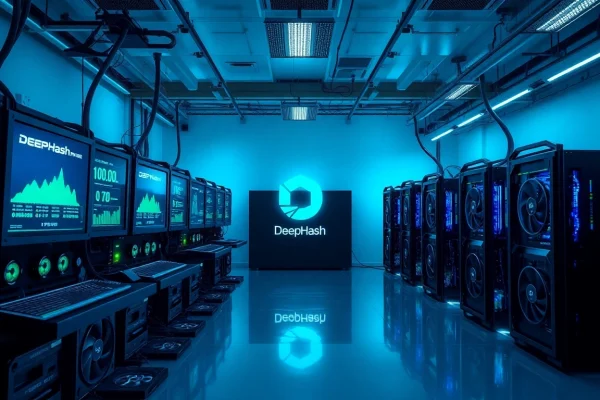
Understanding Bitcoin Cloud Mining
Bitcoin cloud mining has emerged as a popular option for individuals looking to capitalize on the profitability of Bitcoin mining without the need for substantial hardware investments or technical expertise. This innovative approach allows users to rent computing power from remote data centers that handle the complexities of cryptocurrency mining.
What is Bitcoin Cloud Mining?
Bitcoin cloud mining refers to the practice of mining Bitcoin through a remote data center that manages and maintains the hardware. Users can buy or lease a portion of the computing power operated by these data centers, enabling them to mine Bitcoin without the need for physical ownership of mining equipment.
In essence, you invest in a mining contract, where a cloud mining provider does all the work. This can be a particularly appealing option for those who want to engage in cryptocurrency mining but lack the technical skills or capital to set up and manage their own mining rigs.
The Advantages of Cloud Mining Over Traditional Mining
- Cost Efficiency: Cloud mining eliminates the need for expensive hardware and electricity, reducing the overall costs associated with mining.
- No Technical Expertise Required: Users do not need to understand the intricacies of mining hardware or software.
- Immediate Access: You can start mining almost immediately after purchasing a contract.
- Flexibility: Many providers offer various plans, allowing users to choose contracts that fit their budget and mining goals.
Common Misconceptions about Bitcoin Cloud Mining
Despite its growing popularity, Bitcoin cloud mining is often surrounded by myths. One common misconception is that it guarantees profits. While it can be lucrative, profitability can vary based on market conditions, operational costs, and the terms of the cloud mining contract.
Another myth is that all cloud mining services are scams. While there are indeed fraudulent providers, many reputable companies operate within the space, offering legitimate services that allow users to mine Bitcoin safely. Researching and choosing credible providers is essential to avoid scams.
Getting Started with Bitcoin Cloud Mining
Engaging in bitcoin cloud mining can seem daunting, but the process is relatively straightforward once you understand the steps involved. Below is a guide to help beginners get started effectively.
Choosing the Right Cloud Mining Provider
When selecting a cloud mining provider, consider the following factors:
- Reputation: Look for providers with positive reviews and a solid history in the mining space.
- Contract Terms: Understand the details, including the duration, fees, and payout structure of the contracts offered.
- Profitability: Evaluate potential returns based on the provider’s estimated mining power and overhead costs.
- Customer Support: A responsive support team can greatly enhance your experience and assist with queries.
Setting Up Your Cloud Mining Account
Once you choose a provider, setting up your cloud mining account typically involves:
- Creating an Account: Register by providing your email and choosing a secure password.
- Choosing a Mining Plan: Select the contract that best fits your mining objectives.
- Making a Payment: Most providers accept cryptocurrencies, making the payment process straightforward.
- Monitoring Your Progress: Use the provider’s dashboard to track your mining activity and earnings.
Key Metrics to Monitor During Mining
To maximize your mining efficiency, it’s crucial to monitor specific metrics:
- Hash Rate: This measures the mining power you are purchasing and directly impacts your potential earnings.
- Network Difficulty: This metric indicates how hard it is to mine Bitcoin at any given time.
- Mining Rewards: Keep track of the payouts received and any fees deducted by the provider.
- Contract Expiration: Be aware of when your contract ends to make timely decisions about renewal or changes.
Maximizing Your Bitcoin Cloud Mining Profits
To enhance your profitability in Bitcoin cloud mining, implementing best practices and staying informed about the industry is essential. Here are some strategies:
Best Practices for Optimizing Mining Earnings
- Diversify Your Investments: Consider investing in multiple contracts with different providers to mitigate risks.
- Stay Updated: Keep track of Bitcoin market trends and news that could impact profitability.
- Utilize Profit Calculators: These tools can help estimate potential earnings based on current hash rates and difficulty levels.
- Engage in Community Discussions: Forums and social media groups can offer valuable insights and tips from experienced miners.
Risks and Challenges in Cloud Mining
While Bitcoin cloud mining presents many opportunities, it is not without its challenges:
- Market Volatility: The price of Bitcoin can fluctuate significantly, affecting mining profitability.
- Provider Reliability: The risk of choosing an untrustworthy provider can lead to financial loss.
- Contractual Obligations: Be cautious of contracts with hidden fees or unfavorable terms that could impact earnings.
Scaling Your Mining Operations Effectively
As you become more familiar with cloud mining, consider strategies for scaling your operations:
- Gradual Investment: Start with smaller contracts and reinvest earnings to gradually increase your mining power.
- Leverage Advanced Tools: Utilize monitoring and analytics tools to refine your strategies based on performance data.
- Networking: Connect with other cloud miners for potential partnerships or collaborative projects that could enhance profitability.
Exploring Bitcoin Cloud Mining Services and Apps
As the popularity of Bitcoin cloud mining grows, numerous services and mobile applications are emerging, offering greater accessibility and convenience.
Top Bitcoin Cloud Mining Services for 2025
Some of the leading cloud mining services to consider include:
- Genesis Mining: Known for its transparent operations and various mining plans.
- HashFlare: Offers pay-per-use mining contracts that allow users to start small and scale up.
- NiceHash: Unique in that it allows users to buy or sell hashing power as needed.
Mobile Apps for Accessible Cloud Mining
Mobile applications have made it easier for users to manage their cloud mining activities on the go. Some reputable mining apps include:
- Bitdeer: Users can easily access cloud mining options and track performance via an intuitive interface.
- CryptoTab: A browser with built-in cloud mining capabilities that utilize your device’s processing power.
User Reviews and Experiences with Cloud Mining Platforms
User experiences can provide valuable insights when choosing a cloud mining provider. Look for reviews that discuss:
- Ease of Use: How user-friendly is the platform?
- Customer Support: Are there reports of responsive and knowledgeable support staff?
- ROI Experiences: What do actual users report about their returns compared to projected earnings?
Future Trends in Bitcoin Cloud Mining
The landscape of Bitcoin cloud mining is continuously evolving, with several trends expected to shape its future.
Emerging Technologies Shaping Cloud Mining
Technological advancements are the backbone of cloud mining’s evolution. The advent of AI-based analytics can improve mining efficiency, while blockchain technology may enhance transparency and trust in cloud mining operations.
Predictions for Bitcoin Mining in 2025 and Beyond
Experts predict that by 2025, a greater emphasis on renewable energy sources will emerge, as miners seek to reduce their environmental impact amid growing concerns over carbon footprints. Additionally, increased regulation may lead to enhanced security and standards across the industry.
How Regulation Will Impact Cloud Mining
The regulation of cloud mining services is likely to expand, particularly as governments seek to address issues related to security, fraud, and environmental responsibility. This could lead to:
- Stricter Compliance Requirements: Ensuring that cloud mining companies operate transparently and ethically.
- Consumer Protection: Enhanced regulations could foster consumer trust and attract more individuals to cloud mining.
- Standardization: Clear guidelines may simplify the process for new entrants into the cloud mining space, promoting healthy competition.