Building Excellence at a Steel Fabrication Shop: Insights and Practices
Understanding the Role of a Steel Fabrication Shop
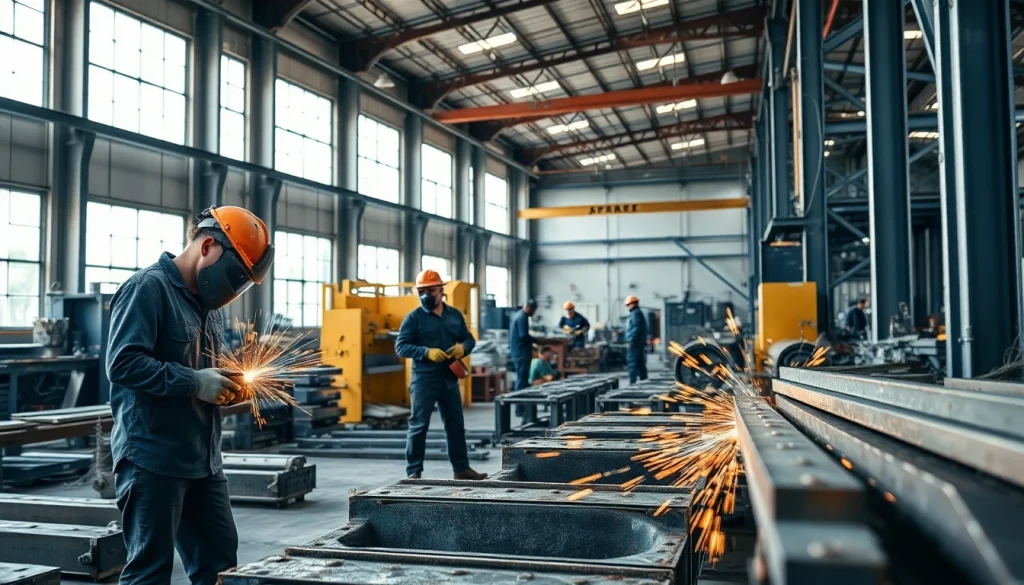
In the construction and manufacturing industries, the steel fabrication shop plays a pivotal role, serving as the backbone for projects that require complex and sturdy steel structures. Steel fabrication involves numerous processes that transform raw steel into precise and functional components, which are essential for various applications, from buildings to bridges to industrial machinery. This article delves into the nuances of steel fabrication, exploring its core services, processes, challenges, and emerging trends within the industry.
What is Steel Fabrication?
Steel fabrication is the process of cutting, bending, and assembling steel structures to create products that meet specific design and engineering requirements. This process can be applied to various steel types, including carbon steel, stainless steel, and alloy steels, making it versatile for different applications. Steel fabrication is integral to a wide range of industries, including construction, aerospace, automotive, and energy.
Core Services Offered by Steel Fabrication Shops
Steel fabrication shops typically offer a range of services that cater to the unique needs of their clients. Key services include:
- Cutting: The initial stage where large steel sheets or billets are cut into manageable sizes using methods such as shearing, sawing, or plasma cutting.
- Bending: Shaping steel into specific angles or contours using press brakes or tube benders.
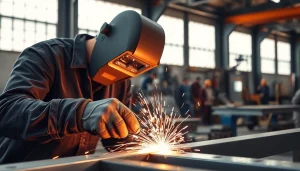
- Welding: Joining metal parts together to form a cohesive unit, using various welding techniques such as MIG, TIG, and stick welding.
- Assembly: Bringing together various fabricated components to create a finished product.
- Finishing: Applying coatings, treatments, or other processes to improve durability and aesthetics.
Importance of Quality and Safety Standards
Quality and safety standards are paramount in steel fabrication. The integrity of the finished products can significantly affect the stability and longevity of the constructions. Compliance with industry standards, such as ASTM, ISO, and AWS certifications, ensures that the fabricated steel meets required specifications. Additionally, safety protocols must be implemented to protect workers from potential hazards associated with the fabrication process, including working around heavy machinery and handling sharp materials.
Key Processes in Steel Fabrication
Understanding the specific processes involved in steel fabrication can provide insights into how steel shops operate and the technologies they employ. This section outlines the fundamental processes required to transform raw steel into finished components.
Cutting and Shaping Steel Materials
Cutting and shaping steel materials can involve various techniques, depending on the required precision and complexity of the components. Common cutting methods include:
- Shearing: This method uses a blade to cut through metal directly, ensuring quick and precise cuts.
- Plasma Cutting: High-velocity jets of ionized gas are used to melt steel, resulting in clean edges and intricate designs.
- Laser Cutting: A highly accurate method that uses concentrated light to cut through steel, ideal for detailed and complex cuts.
Once cut, shaping processes allow for the bending and forming of steel into the required profiles, critical for structures that must withstand significant loads.
Welding Techniques for Structural Integrity
Welding is pivotal in ensuring the structural integrity of fabricated steel products. Different techniques are employed based on the type of steel and the nature of the project:
- MIG Welding: A versatile method suitable for various metals, offering speed and ease of use.
- TIG Welding: Provides a higher level of precision, making it ideal for thin materials or challenging welds.
- Stick Welding: An older technique that works well in outdoor conditions, preferred for its robustness.
Choosing the appropriate welding technique is vital for achieving strong, durable joins that can withstand the forces exerted on metal structures.
Finishing Processes: Coatings and Treatments
After fabrication, steel components often undergo finishing processes to enhance their durability and resistance to environmental factors. Common finishing methods include:
- Powder Coating: A dry powder is applied to metal surfaces and heated to create a protective layer.
- Galvanization: Steel is coated with zinc to prevent rust, significantly increasing its lifespan.
- Painting: Adds aesthetic appeal while providing a layer of protection from corrosion.
These finishing processes not only improve the appearance of steel components but also bolster their resistance to corrosion, wear, and tear.
Choosing the Right Steel Fabrication Shop
Selecting a reliable steel fabrication shop is crucial for the success of any metalworking project. Here are key factors to consider when making this decision.
Evaluating Experience and Expertise
The experience of a steel fabrication shop often correlates with the quality of their products. Look for industry experience, past projects, and specific expertise related to your project’s requirements. Experienced fabricators will have a deep understanding of materials, processes, and industry best practices.
Understanding Customer Testimonials and Case Studies
Customer testimonials and case studies provide valuable insights into a fabricator’s capability and reliability. Request references and review case studies that demonstrate their ability to deliver on similar projects. Positive feedback can often highlight strengths such as on-time delivery, quality of workmanship, and customer service.
Assessing Equipment and Technology Used
The quality of equipment and technology utilized in a steel fabrication shop directly impacts production capabilities and product quality. A well-equipped fabrication shop will possess modern machinery, such as CNC (Computer Numeric Control) machines, robotic welders, and advanced cutting tools, which enhance precision and efficiency. Ensure to inquire about their equipment to gauge their capacity to meet project specifications.
Common Challenges in Steel Fabrication
Understanding the common challenges faced by steel fabrication shops can help clients set realistic expectations and work collaboratively towards solutions. Below are some prevalent issues.
Addressing Material Quality Issues
Material quality is a crucial factor in steel fabrication. Poor-quality steel can lead to structural failures or increased production costs. Fabrication shops should establish relationships with reputable steel suppliers to ensure that they receive high-quality materials that meet industry specifications. Conducting rigorous quality checks upon material receipt can also mitigate this challenge.
Managing Production Timelines and Costs
Keeping production timelines and costs in check can be challenging in the dynamic world of steel fabrication. Delays in material supply or unexpected complications during the fabrication process can lead to increased costs and missed deadlines. Through effective project management, including proactive scheduling and constant communication with stakeholders, shops can minimize risks associated with timeline and budget overruns.
Adapting to Industry Regulations
The steel fabrication industry is subject to various regulations and standards designed to ensure safety and quality. Keeping up with changes in regulations can pose significant challenges for fabrication shops. Regular training on compliance standards and investing in responsible practices can help shops adapt and remain competitive.
Future Trends in Steel Fabrication
The steel fabrication industry is evolving, influenced by technological advancements and increasing environmental considerations. Below are trends shaping the future of the industry.
Incorporating Sustainable Practices
As sustainability becomes a critical focus for businesses worldwide, steel fabrication shops are adapting by incorporating environmentally friendly practices. This includes sourcing recycled steel or utilizing sustainable materials and reducing energy consumption during fabrication processes. Implementing sustainable practices not only enhances the shop’s reputation but also aligns with growing regulatory demands for environmentally responsible operations.
Technological Advances in the Steel Industry
The ongoing technological evolution in the steel industry significantly influences fabrication processes. Innovations in automation, such as robotics and AI, are reshaping the production landscape, leading to greater efficiency and precision. For instance, automated welding robots can increase production speeds while minimizing manual labor risks. Additionally, advancements in software that facilitates design and analysis can enhance the planning and execution of projects.
Innovations in Design and Engineering Solutions
With the rise of parametric design and advanced computational methods, steel fabrication shops are now able to offer more complex and innovative solutions to their clients. This includes creating intricate designs that were previously impossible, featuring improved performance and reduced material waste. As the demand for custom solutions grows, integrating advanced design software will become essential for fabrication shops to stay competitive.