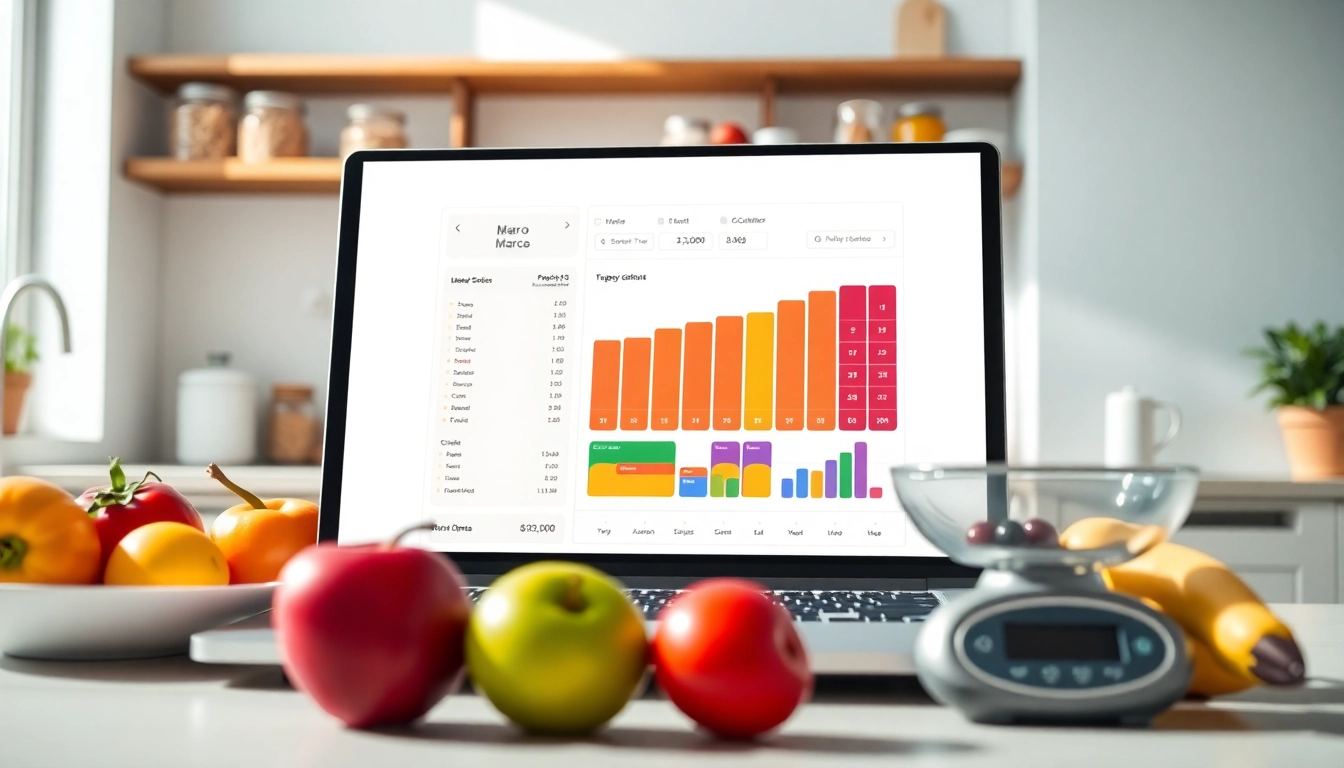
Understanding the Importance of the Macro Calculator
The modern nutritional landscape is filled with diverse strategies for achieving health and fitness goals. Among these methods, tracking macronutrients has gained immense popularity, epitomizing the shift towards personalized nutrition. A crucial tool in this approach is a macro calculator. This calculator estimates an individual's macronutrient needs based on their unique physiology, lifestyle, and goals, ensuring that dietary choices align with desired outcomes. By understanding this tool, users can make informed decisions about their diet and enhance their overall health.
What is a Macro Calculator?
A macro calculator is a dietary tool that helps determine the optimal distribution of macronutrients—carbohydrates, proteins, and fats—necessary for maintaining or achieving a specific body composition and health status. It begins by assessing various personal factors, including age, gender, weight, height, activity level, and fitness goals such as weight loss, muscle gain, or maintenance. The calculator uses these inputs to generate personalized recommendations, offering users a structured approach to nutrition.
Benefits of Using a Macro Calculator
The benefits of utilizing a macro calculator are manifold:
- Personalized Nutrition: Unlike generalized dietary recommendations, a macro calculator tailors advice to individual characteristics.
- Goal Oriented: Users can specify their health and fitness objectives, which enhances accountability and motivation.
- Improves Dietary Choices: By understanding macro needs, users can make better food selections and portion sizes, ultimately leading to healthier eating habits.
- Tracking Progress: Keeping a record of macronutrient consumption allows users to monitor their adherence to their nutritional goals.
How to Interpret Macro Calculator Results
Understanding the outcome of a macro calculation is essential for effective implementation. The macro calculator provides a breakdown of daily caloric intake along with the proportion of each macronutrient. It's important to convert these figures into practical meal plans. For instance, if the calculator suggests 150 grams of protein per day, users must learn how to distribute this across meals and snacks. Additionally, comprehension of how different food sources contribute to these macronutrient goals is crucial for making informed dietary choices.
Getting Started with the Macro Calculator
Inputting Your Personal Data
To begin utilizing a macro calculator, users must input their personal information accurately. This usually includes:
- Age: Different life stages come with varying dietary needs.
- Height and Weight: Fundamental metrics for calculating Basal Metabolic Rate (BMR) and Total Daily Energy Expenditure (TDEE).
- Activity Level: From sedentary to very active, this influences caloric needs significantly.
Taking the time to enter precise data is critical to ensure that the results are tailored and effective.
Selecting Your Goals
Once personal data is entered, users need to define their specific dietary goals. Common options include:
- Weight Loss: Typically involves a caloric deficit.
- Muscle Gain: Often requires a caloric surplus with higher protein intake.
- Maintenance: A balance between calories consumed and burned.
Choosing the right goal is vital as it shapes the dietary recommendations provided by the calculator.
Understanding Dietary Preferences
A macro calculator should be adaptable to accommodate personal dietary preferences or restrictions, such as vegetarianism, veganism, or food allergies. Users should specify these preferences during the input phase to receive appropriate food choices and macro breakdowns that align with their lifestyle while still meeting their nutritional requirements.
Advanced Features of the Macro Calculator
Adjusting Macros for Muscle Gain
For those looking to gain muscle, the macro calculator can help devise a plan that emphasizes higher protein intake while also accounting for adequate carbohydrates and fats to support energy levels during workouts. This tailored approach ensures that muscular strength increases while providing the necessary nutrients for recovery, ultimately promoting optimal growth.
Calculating Nutritional Needs for Weight Loss
Similarly, when calculating macros for weight loss, the macro calculator emphasizes a caloric deficit while ensuring adequate protein intake to minimize muscle loss. It also considers the balance of carbohydrates and fats to help maintain energy and satiety, which can support long-term adherence to a healthy eating plan.
Customizing Your Macro Breakdown
An advanced macro calculator also allows for customization beyond basic equations. For example, users can adjust their macro ratios based on specific dietary philosophies, such as a higher-fat, lower-carb (keto) approach or a balanced macronutrient distribution. Customization makes it easier to stick to a personal nutrition plan, aligning healthier eating habits with individual preferences.
Common Questions About the Macro Calculator
How Accurate Is the Macro Calculator?
The accuracy of a macro calculator relies heavily on the precision of the inputs and the algorithm used. While they provide a solid estimation based on established scientific principles, individual variances such as metabolism and body composition can affect outcomes. Therefore, adjustments may be necessary as one begins to track progress and see results.
What Factors Influence Macro Ratios?
Many factors impact the determination of macro ratios, including:
- Fitness Goals: Different objectives, like cutting or bulking, require varying macronutrient distributions.
- Body Composition: Individuals with higher muscle mass may require more protein compared to those with more body fat.
- Activity Level: Athletes or highly active individuals generally require higher carbohydrate intake for energy.
Understanding these factors is essential for tailoring nutrition plans effectively for optimal results.
Can You Trust Online Macro Calculators?
While many online macro calculators provide valuable guidance, it's essential to choose reputable sources that utilize scientific principles in their calculations. Additionally, consulting with a healthcare provider or nutrition professional can enhance the accuracy and reliability of dietary plans based on these tools. Users should approach online calculators with a critical mindset, using them as a starting point rather than be all-end all solutions.
Maximizing Results with Your Macro Calculator
Tracking Your Progress
To truly maximize results from a macro calculator, consistent tracking is crucial. Utilizing mobile apps designed for tracking food intake can simplify this process. Capturing daily meals, snacks, and even macro ratios helps monitor adherence to nutritional goals, adjusting when necessary based on progress. Regularly assessing food consumption improves the likelihood of achieving set targets.
Adjusting Intake as You Progress
One of the most important aspects of using a macro calculator is recognizing when to make adjustments. As weight loss or muscle gain occurs, caloric and macronutrient needs change. Periodic recalculating with the macro calculator ensures that nutritional goals remain in line with the body’s evolving requirements, maintaining a continuous trajectory toward health and fitness objectives.
Combining the Calculator with Healthy Recipes
Finally, a macro calculator is most effective when combined with healthy cooking practices. Understanding macro goals allows for the selection of recipes that fit within the specified requirements. Meal prepping and focusing on whole food options can aid in sticking to macro targets while enhancing the overall quality of nutrition. This synergy produces sustainable, healthy habits that support long-term success in achieving health goals.