Understanding Vinyl: A Comprehensive Overview
Vinyl flooring has revolutionized the way we think about home interiors, merging practical functionality with stunning aesthetics. As you consider enhancing your home’s style, understanding vinyl flooring can help you make informed decisions that align with your design goals and lifestyle needs.
What is Vinyl and How is it Made?
Vinyl is a synthetic material made primarily from polyvinyl chloride (PVC), a plastic polymer. The manufacturing process involves combining PVC resin with various additives to enhance its durability, flexibility, and aesthetic appeal. The raw materials are melted and extruded into sheets or tiles, and following this, the surface is often coated with a layer of protective wear layer to increase longevity against scratches and stains.
The production of vinyl flooring has evolved significantly, incorporating advanced technologies that allow for realistic wood and stone imitations. This process begins with a design printing technique that employs high-definition images, ensuring that the final product closely replicates the nuances of natural materials.
Types of Vinyl Flooring Explained
Vinyl flooring comes in several styles, suited for different preferences and needs:
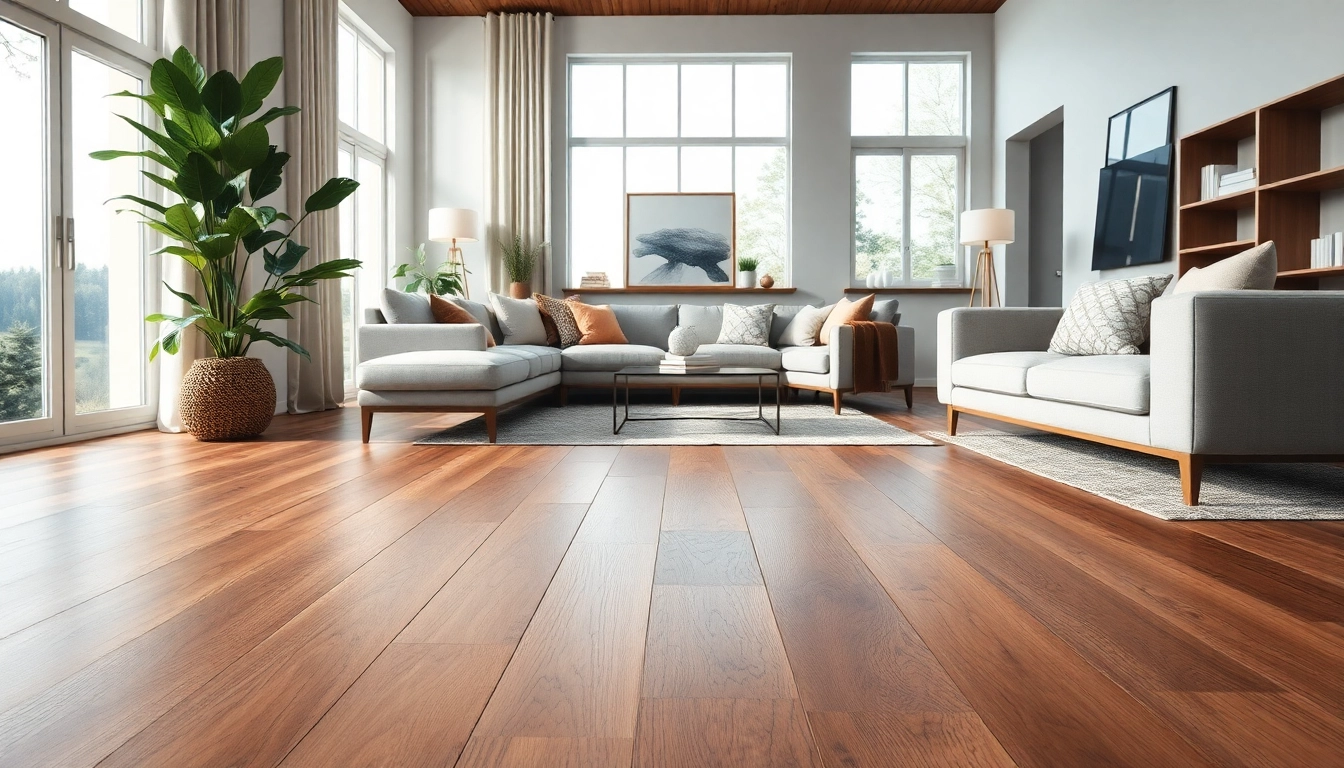
- Vinyl Planks: These resemble hardwood flooring and are available in a wide range of colors and textures. Their interlocking design facilitates easy installation.
- Vinyl Tiles: Designed to mimic ceramic or stone tiles, vinyl tiles provide a versatile option ideal for kitchens and bathrooms.
- Sheet Vinyl: A continuous roll of vinyl, this option provides a seamless look, perfect for areas prone to moisture.
- Luxury Vinyl Tile (LVT): A high-end version of vinyl that combines thicker wear layers and additional cushioning, offering enhanced comfort and visual appeal.
Benefits of Choosing Vinyl for Your Space
Choosing vinyl flooring offers numerous advantages, making it a popular choice among homeowners:
- Affordability: Vinyl flooring typically costs less than hardwood or stone, making it budget-friendly while still providing a stylish look.
- Water Resistance: Many vinyl products are water-resistant, making them ideal for moist environments such as kitchens and bathrooms.
- Easy Maintenance: Regular cleaning with a damp mop or cloth suffices to maintain its appearance, adding to its appeal for busy households.
- Comfort and Warmth: Vinyl’s cushioned surface is comfortable underfoot, providing insulation and warmth compared to tile or concrete.
- Diverse Design Options: With a myriad of designs, colors, and patterns available, vinyl can suit any home aesthetic, whether modern or traditional.
Installing Vinyl Flooring: Step-by-Step Guide
Preparing Your Subfloor for Vinyl
A successful vinyl installation starts with proper preparation of the subfloor. Ensure the surface is clean, dry, and level. Any imperfections, such as cracks or bumps, should be smoothed out, as they can affect how the vinyl lays. If you are installing over concrete, consider using a self-leveling compound for evenness and to minimize moisture issues.
Tools and Materials Needed for Installation
Gather all necessary tools and materials before starting to streamline the installation process:
- Vinyl flooring planks or tiles
- Utility knife with fresh blades
- Measuring tape
- Straightedge or chalk line
- Adhesive (if applicable)
- Roller or weight for pressing
- Flooring scraper
Common Installation Techniques
There are several methods to install vinyl flooring depending on the type you choose:
- Click-Lock Installation: This method utilizes interlocking edges that snap together without glue or nails, making it ideal for DIY enthusiasts.
- Glue-Down Installation: For areas with heavy foot traffic, applying adhesive ensures a secure bond to the subfloor. This method requires careful application of glue and repositioning of the vinyl.
- Loose Lay Installation: Ideal for sheet vinyl, this involves laying the vinyl down without adhesive, secured by the weight of the furniture and appliances.
Maintaining Your Vinyl: Best Practices
Daily Cleaning Tips for Longevity
Maintaining vinyl flooring is straightforward, requiring just regular sweeping and occasional mopping. Use a damp mop with pH-neutral cleaners to prevent residue buildup. Avoid harsh chemicals that can wear down the protective finish over time.
Dealing with Scratches and Scuffs
Despite its durability, vinyl can occasionally get scratches. Light scuffs can often be removed with a mild abrasive cleaner or a pencil eraser, while deep cuts may require a repair kit containing adhesive and colored putty designed for vinyl. Always follow manufacturer recommendations for repairs.
When to Replace Your Vinyl Floor
Even high-quality vinyl has a lifespan, typically ranging from 10 to 20 years, depending on usage and maintenance. Signs it’s time for replacement include significant wear, persistent odors, or visible lifting at the edges. Regular inspections and prompt replacement can ensure your space remains visually appealing and functional.
Design Ideas to Enhance Your Space with Vinyl
Choosing the Right Color Palette
The right color palette can transform a room. Lighter shades of vinyl can make smaller spaces feel larger, while darker tones add depth and warmth. Consider coordinating your vinyl with existing furniture and paint colors to create a cohesive look.
Combining Vinyl with Other Materials
Mixing vinyl with other flooring materials can create stunning contrasts. For instance, using vinyl planks in areas adjacent to tile or hardwood can enhance flow while maintaining functional areas (like kitchens) where moisture is prevalent.
Creating Unique Patterns and Layouts
Vinyl allows for creative designs such as herringbone or chevron patterns that can add a custom touch to your flooring. Experimenting with different layouts not only enhances aesthetic appeal but can also delineate spaces in an open floor plan effectively.
Common Questions About Vinyl Flooring
Is Vinyl Flooring Waterproof?
Many vinyl floors are water-resistant, but some are fully waterproof, making them ideal for bathrooms, kitchens, and basements.
Can I Install Vinyl Over Existing Floors?
Yes, vinyl can often be installed over existing flooring, provided the substrate is level and secure. Remove any loose or damaged sections beforehand.
What is the Lifespan of Vinyl Flooring?
Vinyl flooring typically lasts between 10 to 20 years, depending on the quality of the material and how well it's maintained.
How Do I Choose the Right Vinyl for My Home?
Consider factors like durability, style, and the area of installation. Samples can help visualize how different options will fit in your space.
Are There Eco-Friendly Vinyl Options?
Yes, some manufacturers produce eco-friendly vinyl flooring that comes without harmful compounds and use recycled materials in their production processes.