
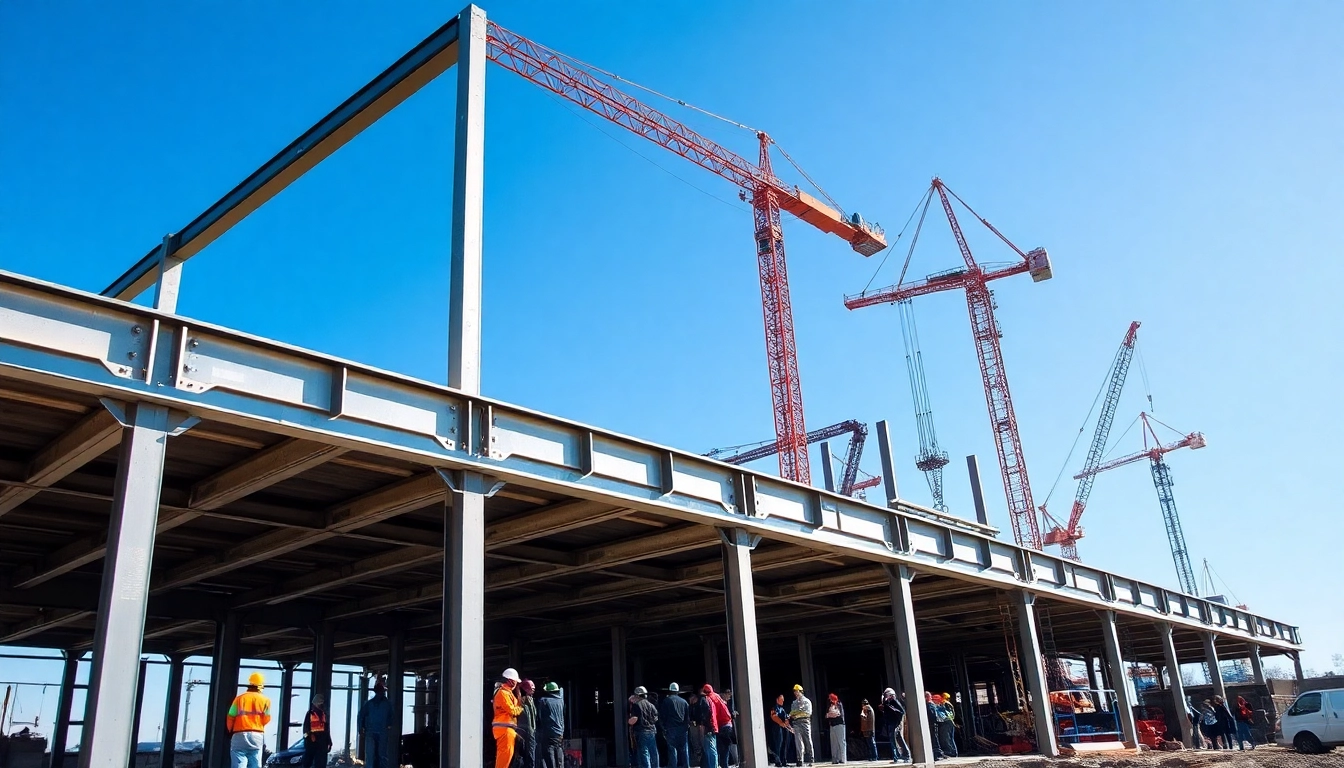
Understanding Structural Steel Construction
Structural steel construction is a vital aspect of modern architecture and engineering, forming the backbone of many buildings and infrastructures. This method employs steel as a primary material due to its strength, durability, and flexibility across a myriad of applications. The significance of structural steel construction cannot be overstated, as it offers innovative solutions to the increasing demands of urbanization and environmental sustainability.
Definition and Importance of Structural Steel
Structural steel denotes a category of steel used for making construction materials in various shapes, including beams, columns, and frameworks. Its carbon content typically ranges between 0.05% and 2.1%, which gives it the required mechanical properties to withstand significant loads. This material is popular due to its high tensile strength-to-weight ratio, allowing for lighter structures without compromising stability.
The importance of structural steel lies in its versatility. It can be molded into various shapes and sizes, making it ideal for use in commercial, residential, and industrial buildings. The adaptability of structural steel also facilitates the design of complex architectural styles, thus contributing to artistic expression in construction.
Common Applications in Construction
Structural steel serves multiple purposes in construction:
- High-rise buildings: Used extensively to create frameworks that define skyscrapers.
- Bridges: Ideal for load-bearing capabilities, supporting the weight of vehicles and pedestrians.
- Industrial Buildings: Common in warehouses and factories due to its resilience and safety.
- Infrastructure Projects: Utilized in the construction of roads, railways, and airports, ensuring longevity and durability.
Standards and Regulations
The use of structural steel in construction is governed by stringent standards and regulations set forth by organizations such as the American Society for Testing and Materials (ASTM) and the American Institute of Steel Construction (AISC). These standards ensure the materials employed meet safety, quality, and performance expectations.
Compliance with these regulations is critical as it minimizes risks associated with structural failures, promotes safety for both workers and occupants, and establishes guidelines for best practices in design and installation.
Types and Grades of Structural Steel
Overview of Structural Steel Grades
Structural steel is categorized into different grades based on its chemical and mechanical properties. Common grades include:
- A36: A low-carbon steel grade used in structural applications due to its excellent weldability.
- A992: A high-strength steel grade primarily used in steel framing for buildings.
- A572: A specification for high-strength, low-alloy steel used in structural members.
- S235, S275, S355: European grades that denote the yield strength of the steel.
Understanding these grades is essential for selecting the right material based on the specific requirements of a project.
How to Choose the Right Type
Choosing the appropriate type of structural steel depends on numerous factors, including:
- Load Requirements: Analyze the loads (tensile, compressive, shear) that the structure must bear.
- Environmental Conditions: Consider corrosion resistance and thermal expansion factors, especially in coastal areas or extreme climates.
- Cost Considerations: Evaluate the budget constraints in relation to material availability and fabrication costs.
- Availability: Ensure the selected grade is readily available to prevent delays in the construction timeline.
Comparison of Material Properties
When assessing various types of structural steel, evaluating the following material properties is crucial:
- Tensile Strength: The maximum stress a material can withstand while being stretched.
- Yield Strength: The stress at which material strain occurs, leading to permanent deformation.
- Fatigue Strength: The strength of a material under cyclic loading conditions, essential for structures subject to repeat stress.
- Weldability: The ability of steel to be welded effectively without compromising structural integrity.
Design Principles for Structural Steel Construction
Fundamentals of Load Calculation
Load calculations are foundational to structural design. Engineers must consider various load types:
- Dead Loads: Constant loads from the structure itself, including walls, roofs, and fixtures.
- Live Loads: Variable loads from occupancy, furniture, and movable equipment.
- Wind Loads: Forces exerted by wind pressure on the structure.
- Seismic Loads: Forces resulting from seismic activity, crucial in earthquake-prone areas.
Calculating these loads allows for tailored designs that ensure safety and performance over the building’s lifespan.
Common Design Methods and Techniques
Several methodologies guide the design of structural steel frameworks:
- Allowable Stress Design (ASD): A traditional approach focusing on keeping stress levels within permissible limits.
- Load and Resistance Factor Design (LRFD): A more modern method that factors in uncertainties in loading and material strength.
- Finite Element Analysis (FEA): A computational modeling technique used for complex analysis and optimization in design.
Choosing an appropriate design method is crucial, as it ensures compliance with safety standards while optimizing material use.
Innovative Design Solutions
With advancements in technology, innovative design solutions such as modular construction and parametric modeling are gaining traction. These approaches enable:
- Faster Construction: Reduced build times through prefabrication and efficient methods.
- Increased Sustainability: Minimizing material waste and utilizing recyclable components.
- Enhanced Aesthetics: Freedom in design allows for creative architectural expressions while maintaining structural integrity.
Construction Process and Techniques
Preparation and Planning for Structural Steel Projects
Preparation is a critical phase in structural steel construction. A comprehensive project plan should include:
- Site Analysis: Evaluation of soil conditions and site accessibility.
- Detailed Scheduling: Establishing timelines for fabrication, delivery, and assembly.
- Permitting and Regulations: Ensuring all legal guidelines are observed to prevent future issues.
Fabrication Methods Used in Construction
The fabrication of structural steel involves numerous processes, each impacting quality and cost:
- CNC Cutting: Uses computer-controlled machines for precise cuts.
- Welding: Vs. bolting, welding provides superior strength in many circumstances but requires skilled labor.
- Surface Preparation: Essential for corrosion protection, typically achieved through galvanizing or painting.
Assembly and Erection Strategies
Successful assembly and erection of structural steel skeletons involve strategic planning:
- Sequence of Assembly: Determining correct assembly order based on load distribution and construction site layout.
- Safety Measures: Employing safety protocols to protect workers during high-rise installations.
- Quality Control: Implementing checklists to review connections, welds, and overall structural integrity during erection.
Maintenance and Longevity of Structural Steel Structures
Best Practices for Maintenance
The longevity of structural steel can be significantly enhanced through regular maintenance, which includes:
- Inspection: Regular visual inspections for signs of corrosion, wear, and structural distress.
- Protective Coating: Applying paint or galvanization to inhibit rust formation.
- Cleaning: Removing debris and contaminants that can accelerate deterioration.
Common Issues and How to Address Them
Structurally significant problems may arise during the lifecycle of a steel structure, including:
- Corrosion: Address via protective coatings or cathodic protection methods.
- Fatigue Failure: Monitor load conditions and utilize materials with better fatigue resistance.
- Welding Defects: Conduct quality control checks to prevent these issues from compromising material integrity.
Expected Lifespan of Structural Steel
Properly maintained structural steel buildings can last for over 50 to 100 years if designed and constructed according to industry standards. Factors affecting lifespan include:
- Environmental Conditions: Such as exposure to moisture and pollutants.
- Quality of Materials: The selection of high-grade materials can enhance durability.
- Regular Maintenance: Proactive maintenance will prolong structural integrity.
Frequently Asked Questions
What is structural steel construction?
Structural steel construction involves using steel as a primary material for frameworks in buildings and other structures, praised for its strength, durability, and versatility.
How long does structural steel last?
When maintained properly, structural steel can last over 50 to 100 years. Its longevity depends on quality materials, maintenance, and environmental factors.
What is the difference between structural steel and regular steel?
Structural steel is engineered for load-bearing applications, ideal for beams and frameworks, while regular steel may be used for decorative or non-load-bearing elements.
What does a structural steel worker do?
Structural steel workers cut, bend, and connect steel using welding and bolting techniques to assemble frameworks for construction projects.
What are the types of steel structures?
Types include framed structures, truss structures, arch structures, and cable-supported structures, each serving different functional and aesthetic needs.
About the Author