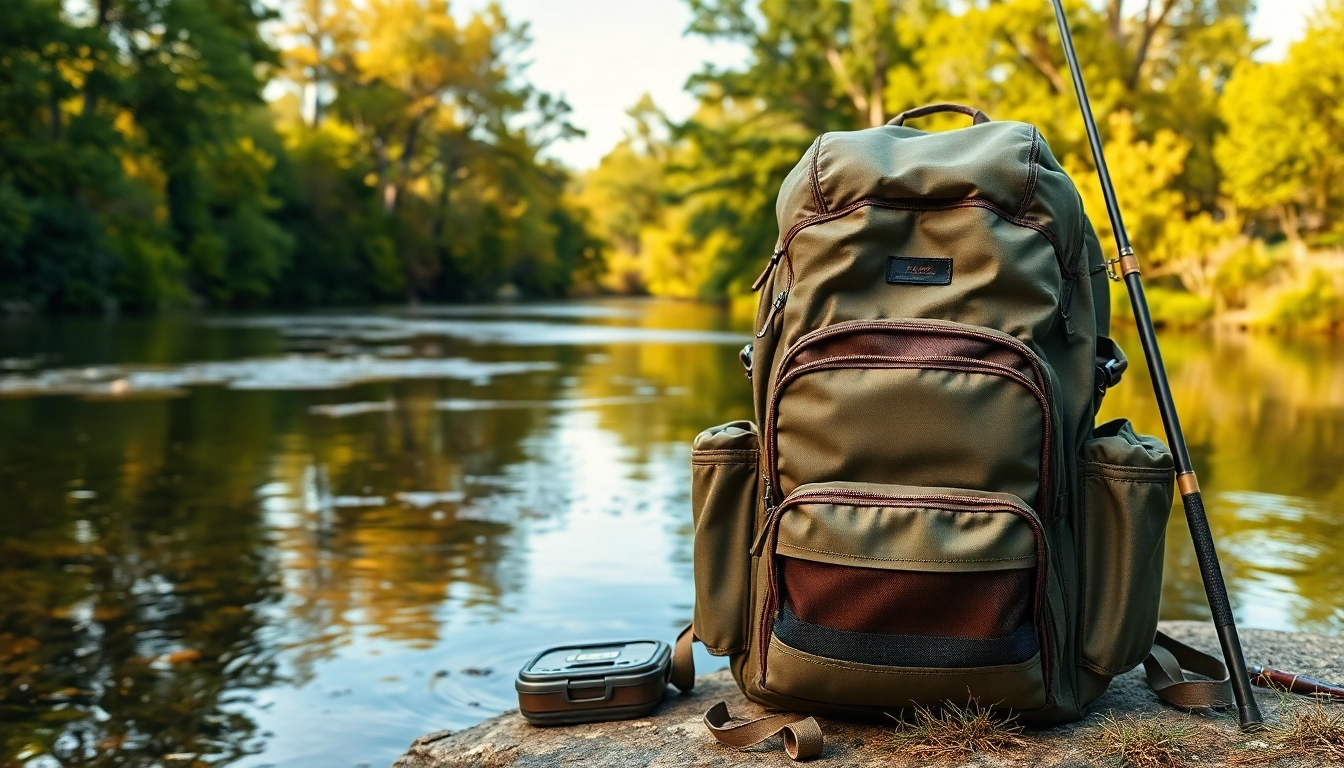
Understanding the Importance of a Fly Fishing Backpack
Fly fishing enthusiasts understand that the right gear can make all the difference during a successful fishing trip. One such piece of gear that often gets overlooked is the fly fishing backpack. This vital equipment serves not only as a means of transporting your tackle but also as a storage hub for your essentials. Choosing the right fly fishing backpack can significantly enhance your overall experience, offering convenience and accessibility when you need it most.
Why Every Angler Needs a Quality Backpack
Quality backpacks designed for fly fishing can make days on the water more enjoyable and organized. Think of it as your personal base camp; having everything organized allows you to focus solely on the task at hand—catching fish. A durable backpack also ensures that your gear is secure, protecting it from natural elements.
Benefits of Specialized Fly Fishing Backpacks
Unlike standard backpacks, specialized fly fishing backpacks come with compartments and features tailored for the angler. These benefits include:
- Organizational Compartmentalization: These backpacks are designed with various compartments, pockets, and zippers that allow you to easily store flies, tools, and other fishing essentials.
- Water-Repellent Materials: Built with waterproof materials, these backpacks keep your gear dry even in wet conditions.
- Comfortable Straps: With padded shoulder straps and adjustable designs, specialized packs are ergonomically designed for long hours of wear.
Key Features to Look For
When selecting a fly fishing backpack, there are specific features that can enhance your fishing trips. Key elements include:
- Waterproofing: Look for packs made from materials like nylon or polyester with waterproof coatings.
- Accessibility: Pockets should be easily reachable to make quick adjustments on the water.
- Comfort: Adjustable straps and back padding ensure that you can comfortably wear the backpack for extended periods.
- Size: Determine if you need a larger pack for multi-day trips or a smaller one for quick excursions.
Essential Features of a Fly Fishing Backpack
Material Durability and Weather Resistance
Your fly fishing backpack must withstand different weather conditions, from sunshine to rain. Look for high-denier nylon or heavy-duty polyester that provides both durability and protection from the elements. Many backpacks also feature a water-resistant coating that helps keep your gear dry during unexpected downpours.
Storage Options for Gear Organization
Efficient organization can save you precious time while out on the water. A quality fly fishing backpack should have multiple compartments and pockets, including:
- Main Compartment: Ample space for larger items such as clothing and food.
- Accessory Pockets: Smaller pockets for tools, tackle, and flies.
- External Gear Straps: Straps on the outside for carrying rods, net, or additional layers.
Comfort and Fit for Long Trips
The fit of your backpack can make or break a day’s fishing. Ensuring your pack has adjustable and padded shoulder straps enhances comfort during long treks. Ergonomic designs that distribute weight evenly can prevent fatigue, allowing you to concentrate on your fishing efforts rather than discomfort from your gear.
How to Choose the Right Size Fly Fishing Backpack
Determining the Capacity Needed
Choosing the right size depends significantly on the length of your trip and the amount of gear you intend to carry. For quick fishing trips, a smaller, lighter pack will do. However, for extended excursions that last multiple days, a larger pack is essential to accommodate all necessary equipment, including camping gear.
Comparing Sizes: Day Trips vs. Extended Journeys
For day trips, look for backpacks with a capacity of 20-30 liters. These smaller packs provide sufficient room for limited items like water, snacks, and a change of clothes. Conversely, for weekend excursions, consider a pack that offers 50+ liters, which can hold a sleeping bag, tent, extra clothing, and cooking gear.
Adjustability for Personal Preference
Every angler has different preferences regarding fit and comfort. Many backpacks come with adjustable features; always try on or adjust a backpack to see how well it fits your body type. Straps should be tight but comfortable, allowing for easy movement without restriction.
Popular Brands and Models of Fly Fishing Backpacks
Comparative Overview of Top Brands
The market for fly fishing backpacks is vast, with notable brands such as Orvis, Simms, and Patagonia leading the charge. These brands have built a reputation for quality and durability:
- Orvis: Well-known for high-quality fishing gear, Orvis backpacks often prioritize comfort and utility.
- Simms: Offers a range of backpacks with an emphasis on water resistance and advanced materials.
- Patagonia: Focuses on sustainability while providing durable and functional backpacks.
User Reviews and Recommendations
User reviews can provide valuable insights when choosing the right backpack. Check outdoor equipment forums or brand-specific sites where users share their experiences. Look for reviews that address specific features such as durability during tough conditions or ease of access to compartments while fishing.
Price Ranges and Budget Considerations
Pricing for fly fishing backpacks can vary significantly based on brand, size, and features. Expect to spend:
- Budget Range: $50 - $100, typically for smaller, simpler packs.
- Mid-Range: $100 - $200, offering good durability and multiple features.
- Premium Range: $200+, often including advanced materials and specialized features.
Maintenance and Care Tips for Your Fly Fishing Backpack
Cleaning and Storage Recommendations
Proper maintenance will extend the lifespan of your fly fishing backpack. Follow these cleaning tips:
- Clean the backpack regularly with mild soap and water, especially after trips where it encounters dirt or mud.
- Allow it to dry completely before storing it away to prevent mold and mildew.
- Store it in a cool, dry place, away from direct sunlight, which can degrade materials over time.
Extending the Lifespan of Your Investment
Investing in a quality backpack should be viewed with a long-term lens. Depending on usage, you may want to:
- Perform routine inspections for any tears or damage.
- Use a specialized re-waterproofing spray to enhance the material's water resistance.
- Avoid overloading your backpack beyond its intended capacity, which can cause material stress and failure.
When to Repair vs. Replace
Determine if your backpack is worth repairing by considering:
- Age: If your backpack is relatively new, repairs may be worth the cost.
- Type of Damage: Minor tears can often be stitched, while severe rips or frame damage may warrant replacement.
- Performance: Consider if the backpack still meets your needs; if not, it may be time for a replacement.
Conclusion
Choosing the right fly fishing backpack can elevate your fishing adventures while ensuring you have all your essentials at hand. By understanding the importance of quality, essential features, and proper maintenance, you can choose a backpack tailored to your needs, ensuring a more efficient and enjoyable fishing experience. Invest wisely, and your backpack will reward you with many successful trips on the water.